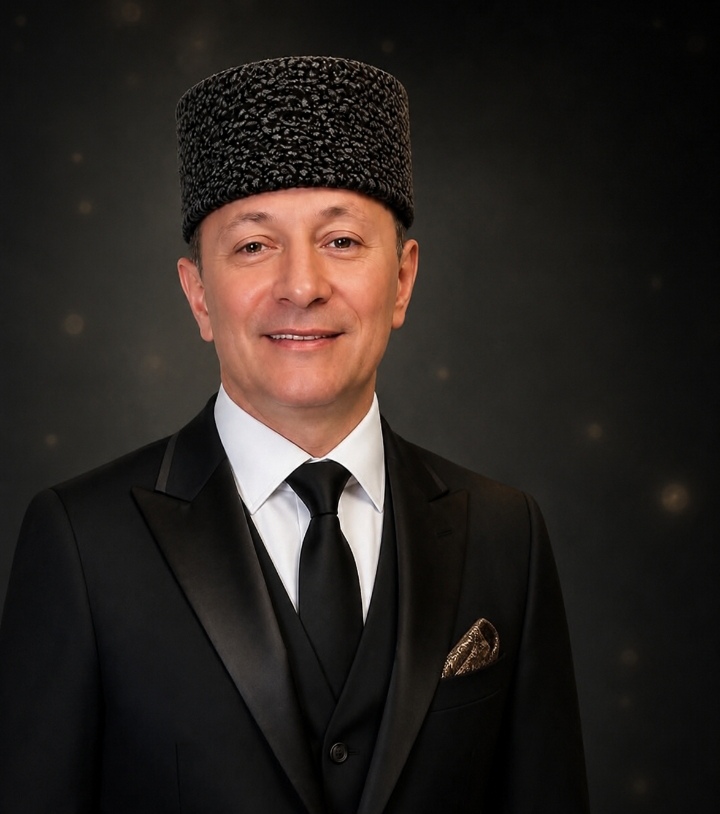
Заур Устадж (настоящее имя — Заур Мустафа оглы Мустафаев; род. 8 января 1975 года, Баку) — азербайджанский поэт, публицист, прозаик и общественный деятель. Он является учредителем и главным редактором литературного журнала «Yazarlar» («Писатели»), а также руководителем одноименного творческого портала. [1, 2, 3]
Основные биографические данные:
Военная служба: Ветеран Первой карабахской войны, офицер запаса. [1, 2]
Образование: Получил разностороннее образование, окончив Баку Государственный Университет (БГУ), Бакинское высшее общевойсковое командное училище, Международный институт изобретательства и бизнеса, а также Шамахинский гуманитарный колледж. [1, 2]
Литературная деятельность: Публикуется в периодической печати непрерывно с 1988 года. Является автором более 50 книг, включая сборники стихов, прозу, детскую литературу и учебно-методические пособия. Его произведения активно распространяются в интернете и доступны читателям по всему миру. [1, 2, 3]
Известные произведения: «Əliş və Anna» (Алиш и Анна), «Oriyentir ulduzu» (Ориентирная звезда), «Günaydın», «Gülzar», «Katren», «40 gün-40 şeir». Часть его книг посвящена памяти шехидов. [1, 2, 3]
Членство и союзы: Член Союза писателей Азербайджана (AYB), Союза журналистов Азербайджана (AJB) и Общественного объединения ветеранов войны. Является исполнительным секретарем Конфедерации независимых писателей. [1]
Награды и признание:
Лауреат престижной литературной премии «Золотое перо» (Qızıl Qələm, 2018).
С 2019 года является Президентом стипендиатом (персональным пенсионером Президента Азербайджана) за заслуги в развитии литературы. [1, 2]
Официальные обновления, новые стихотворения и анонсы книг автора можно найти на порталах Yazarlar.az и Ustac.az, а также на его странице в Facebook. [1, 2, 3]
Если вас интересует конкретный аспект его деятельности: >>> Заур Устадж
DAĞLAR (Dağlara xitabən üçüncü şeiri) Tarix səhnəsində yetişdi zaman, Başlanmış bu çağın mübarək, dağlar! Hələ nə zəfərlər gözləyir bizi, Qutlanmış novrağın mübarək, dağlar!
* * * Dövranın gərdişi döndü, dəyişdi, Davadan doğulan ərlər yetişdi, Didilmiş yaralar tutdu, bitişdi, Üç rəngli duvağın mübarək, dağlar!
* * * Nə vaxtdır yol-iriz bağlı qalmışdı, Qoynunda yağılar məskən salmışdı, Canımı sağalmaz bir dərd almışdı, Sayalı qonağın mübarək, dağlar!
ÖVLADIYAM Müzəffər ordunun şanlı əsgəri, Ərənlər yurdunun ər övladıyam! Zalımın zülmünə təhəmmülüm yox, Babəklər yurdunun hürr övladıyam! * * * Ustadım Nəsimi, sözümüz sözdü, Ədalət, həqiqət bağrımda közdü, Ziyadar dühası bir deyil, yüzdü, Mövlalar yurdunun nur övladıyam! * * * Dərvişəm, müqqəddəs sayılır təkkəm, Hülqumdan yuxarı dayanır öfkəm, Od, ocaq diyarı tanınır ölkəm, Alovlar yurdunun nar övladıyam! * * * Unutma, şah babam Xətai başdı, Nadir şah, mətədə tərpənməz daşdı, İlham, nə keçilməz sədləri aşdı, İgidlər yurdunun nər övladıyam! * * * Tarixdə Nəbisi, Koroğlusu var, Gen dünya yağıya daim olub dar, Düşmən qarşımızda yenə oldu xar, Aslanlar yurdunun şir övladıyam! * * * Göydən Yer üzünə ərmağan, payam, Gündüzlər Günəşəm, gecələr Ayam, Ən parlaq ulduzdan törəyən boyam, Ozanlar yurdunun sirr övladıyam! * * * Ustacam, vətənim vətən içində, Axıb duruluruq zaman köçündə, Min bir anlamı var, adi “heç”in də, Aqillər yurdunun pir övladıyam! 13.11.2020. Bakı.
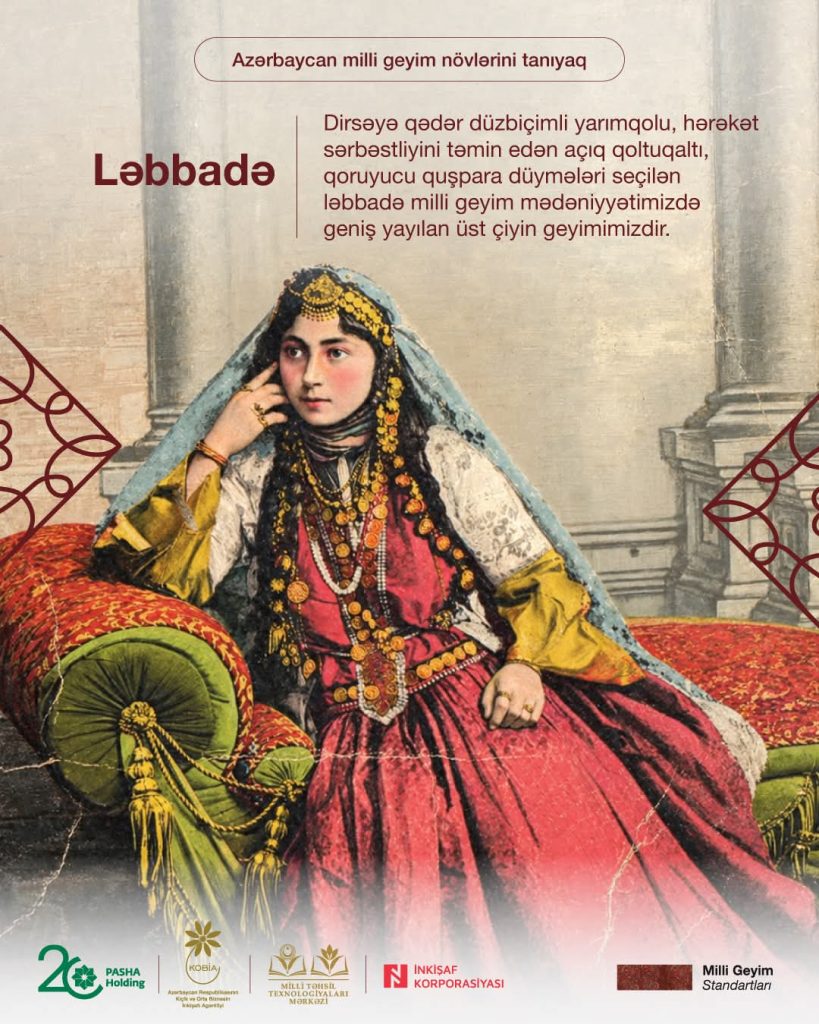
•ADI: Ləbbadə (Həmçinin “lavada” və ya “yarımqol çəpkən” adlanır. Türkiyənin Manisa bölgəsində analoji forması “libade” adlanır. Əlavə edilən qoruyucu qol elementləri “qolçaq”, qaraçay-balkarlarda “kolbaş”, “Fərhəngi-türki” əsərində isə “qolluq” adlanmışdır). •Material: Mövsümdən asılı olaraq astar və üzü arasına pambıq doldurularaq sırınırdı. Bəzədilməsi üçün toxuma bafta, zərbafta, metal bəzəklər, qaytan, ilgəklər, habelə qızıldan hazırlanmış quşpara düymələr və qozalar istifadə olunurdu. •Dövr: XIX əsrdə çox geniş istifadə olunmuş, qadın geyimlərindəki qolçaq hissəsi isə XX əsrin əvvəllərinə qədər öz varlığını qoruyub saxlamışdır. •Cins: Qadın •Haqqında: •Biçimi və Qol Quruluşu: Çəpkən tipli geyimlərin bir nümunəsi olub, ondan qolunun formasına və qısalığına görə seçilir. Qolu düzbiçimli olub dirsəyə qədər çatır (yarımqoldur). Hərəkət sərbəstliyini təmin etmək üçün qoltuqaltı hissəsi açıq saxlanılırdı. Mövsümdən asılı olaraq yaxası həm açıq, həm də bağlı tikilə bilirdi. Manisa libadələrindən fərqli olaraq, Şəki ləbbadəsinə ehtiyac yarandıqda qolçaq əlavə edilirdi. Bu qolçaqlar açıq formada olur, qarşı-qarşıya tikilmiş ilgəklərə keçirilən qaytanla çarpaz şəkildə bağlanır və ya düymələnirdi. •Bəzəkləri və İnanc: Digər qadın geyimləri kimi dekorativ-bəzək elementləri ilə zəngin idi. Bafta, zərbafta və metal bəzəklərin tətbiqi həm estetik, həm də dini-mifoloji (qoruyucu) xarakter daşıyırdı. Varlı ailələr arasında ləbbadənin yaxa kəsiyi boyunca quşpara düymələrin və qozaların düzülməsi geniş yayılmışdı. •Tarixi Kontext: Ləbbadə Şəki bölgəsinin geyim dəstində əsas yer tuturdu. Eyni zamanda açıq qoltuqaltı quruluşu Naxçıvan, Lənkəran, Qazax-Borçalı arxalıqları (çəpkənləri) ilə oxşarlıq təşkil edir. Yaxa kəsiyinin hər tərəfində dörd ədəd olmaqla qızıl quşpara düymələr düzülmüş xüsusi bir ləbbadə nümunəsi Milli Azərbaycan Tarixi Muzeyinin (MATM) Etnoqrafiya fondunda qorunub saxlanmaqdadır.
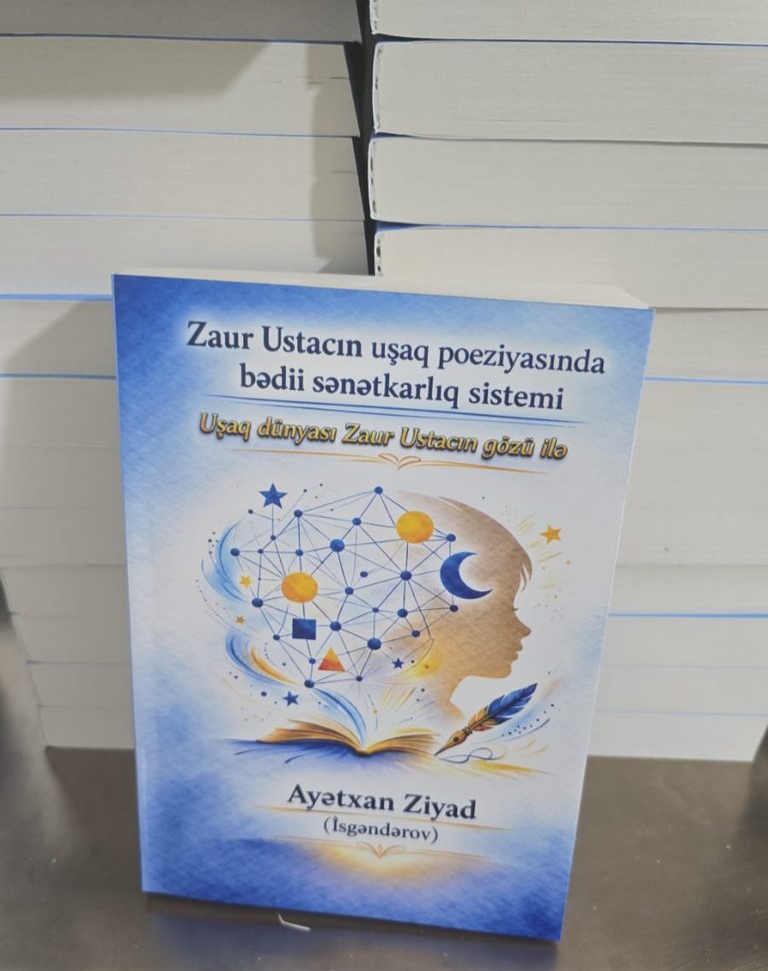
Zaur Ustacın uşaq poeziyasında bədii sənətkarlıq sistemi, yaxud Uşaq dünyası Zaur Ustacın gözü ilə
“Zaur Ustacın uşaq poeziyasında bədii sənətkarlıq sistemi, yaxud Uşaq dünyası Zaur Ustacın gözü ilə” tanınmış tədqiqatçı, yazıçı-jurnalist Ayətxan Ziyadın müasir Azərbaycan şairi və publisisti Zaur Ustacın (Zaur Mustafa oğlu Mustafayev) uşaqlar üçün yazdığı zəngin poetik irsinə həsr etdiyi fundamental elmi monoqrafiyasıdır. 2026-cı ildə Bakının “İmza” nəşrlər evində çap olunan bu 280 səhifəlik fundamental əsər, uşaq ədəbiyyatşünaslığına və müasir poeziyanın tədqiqinə dəyərli bir töhfə hesab olunur. [1, 2, 3]
Kitabın elmi redaktoru və “Ön söz”ünün müəllifi pedaqogika elmləri doktoru, professor Kamal Camalov, rəyçiləri isə ədəbiyyatşünas-tənqidçilər Həcər Atakişiyeva və Günnur Ağayevadır. [1]
Monoqrafiyada işıqlandırılan əsas elmi-nəzəri istiqamətlər və Zaur Ustacın uşaq poeziyasının sənətkarlıq xüsusiyyətləri aşağıdakı sistem üzrə qruplaşdırılır:
1. Bədii Sənətkarlıq Sistemi
Ayətxan Ziyad şairin uşaq poeziyasını elmi-nəzəri aspektdən araşdıraraq onun bədii sənətkarlıq elementlərinin mükəmməl bir sistem təşkil etdiyini göstərir: [1, 2]
Psixoloji Duyuş və Yaş Xüsusiyyətləri: Şair şeirlərini uşaqların yaş qruplarına, qavrayış imkanlarına və psixologiyasına tam uyğunlaşdırır. Burada məktəbəqədər dövrdən başlayaraq kiçik məktəblilərə qədər hər bir yaşın maraq dairəsi nəzərə alınır. [1, 2, 3]
Ritm, Qafiyə və Kompozisiya: Şeirlərin daxili musiqisi, ritmik quruluşu və qafiyə sistemi uşaqların yaddaşında asan həkk olunacaq şəkildə, olduqca axıcı və yüngül hecalarla qurulub. Məsələn, müəllifin məktəbəhazırlıq qrupları üçün nəzərdə tutulan və Təhsil Nazirliyinin metodiki vəsaitinə daxil edilmiş “Güllünün şeirləri” kitabı bu poetik yüngüllüyün və dinamikanın bariz nümunəsidir. [1, 2, 3]
Dil və Üslub Aydınlığı: Poetik mətnlərdə uşaqlar üçün çətin anlaşılan, arxaik və ya ağır fəlsəfi ifadələrə yer verilmir. Dil sadə, canlı və obrazlı təfəkkürü inkişaf etdirən strukturdadır. [1, 2, 3]
Folklor və Milli Köklərə Bağlılıq: Zaur Ustac yaradıcılığında şifahi xalq ədəbiyyatından, nağıllardan, atalar sözlərindən və milli deyimlərdən sadəcə mövzu kimi yox, bədii-estetik düşüncənin təməl komponenti kimi bəhrələnir. [1]
2. Uşaq Dünyası Zaur Ustacın Gözü İlə
Tədqiqatçı şairin dünyaya böyüklərin soyuq məntiqi ilə deyil, məhz uşağın saf və təmiz baxışı ilə baxa bildiyini vurğulayır. Şairin poetik dünyasında uşaq baxışı bu xüsusiyyətlərlə səciyyələnir: [1]
Animistik Təsvir (Əşya və Təbiətin Canlanması): Uşaq təxəyyülündə cansız əşyalar, heyvanlar və bitkilər danışır, hiss edir. Zaur Ustac da uşaq dünyasındakı bu canlılığı “Ağıllı gülər”, “Tuncay” kimi şeirlərində ustalıqla əks etdirir.
Kəşfetmə Sevinci və Səmimiyyət: Şeirlərin mərkəzində uşaqların sualları, onların ətraf aləmi heyrətlə öyrənməsi və saf duyğuları dayanır.
Didaktik Sıxıcılıqdan Uzaq Tərbiyəvi Əhəmiyyət: Vətənpərvərlik, təbiətə qayğı, böyüklərə hörmət kimi fundamental insani keyfiyyətlər uşağa quru öyüd-nəsihətlə deyil, maraqlı poetik obrazlar və oyunvari tapmacalarla ötürülür. Kitablarında yer alan əlifba hərfləri və rəqəmlər haqqındakı əyləncəli şeirlər həm də kiçik yaşlı oxucularda ilkin riyazi və linqvistik bacarıqları formalaşdırır. [1, 2, 3, 4]
Ayətxan Ziyadın bu monoqrafiyası sübut edir ki, Zaur Ustac poeziyası uşaqların həm estetik zövqünün formalaşmasında, həm də onların mənəvi dünyasının zənginləşməsində müasir dövrün ən uğurlu ədəbi sistemlərindən biridir. [1]
Zaur Ustacın uşaq poeziyası estetik zövq aşılamaqla yanaşı, yeni nəslin təlim-tərbiyəsində mühüm pedaqoji və ədəbi vasitə rolunu oynayır. [1, 2]
Kitab haqqında ətraflı məlumatı və satış detallarını Kitabevim.az platformasından və ya AzərTAc xəbərindən oxuya bilərsiniz. [1, 2]
Uşaq dünyası Zaur Ustacın gözü ilə:
Təbiətə və əşyalara canlı münasibət: Uşaq dünyasında cansız əşyalar, bitkilər və heyvanlar canlanır; Zaur Ustac da uşağın təxəyyülündəki bu animistik (canlılaşdırıcı) baxışı əsas alaraq aləmi uşağın gözü ilə təsvir edir.
Səmimiyyət və saflıq: Şairin şeirlərində böyüklərin soyuq məntiqi deyil, uşaq təfəkkürünün təmizliyi, təəccübü, kəşfetmə sevinci və sualları ön plandadır.
Vətənpərvərlik və mənəviyyat duyğusu: Kiçik yaşlı oxucularda Vətənə sevgi, böyüklərə hörmət, təbiətə qayğı kimi təməl insani keyfiyyətlər didaktik sıxıcılıq yaratmadan poetik obrazlarla aşılanır.
İstəyirsinizsə, bu monoqrafiyada təhlil olunan konkret şeir nümunələrinə və ya Zaur Ustacın uşaqlar üçün yazdığı əsas mövzulara daha ətraflı nəzər salaq: [>>> Təlim-təhsil
Bu fundamental araşdırma təkcə müəllifin fərdi yaradıcılığını deyil, bütövlükdə çağdaş Azərbaycan uşaq ədəbiyyatının müasir inkişaf meyillərini öyrənmək istəyən mütəxəssislər, müəllimlər və tələbələr üçün qiymətli mənbədir. [1]
ÖVLADIYAM Müzəffər ordunun şanlı əsgəri, Ərənlər yurdunun ər övladıyam! Zalımın zülmünə təhəmmülüm yox, Babəklər yurdunun hürr övladıyam! * * * Ustadım Nəsimi, sözümüz sözdü, Ədalət, həqiqət bağrımda közdü, Ziyadar dühası bir deyil, yüzdü, Mövlalar yurdunun nur övladıyam! * * * Dərvişəm, müqqəddəs sayılır təkkəm, Hülqumdan yuxarı dayanır öfkəm, Od, ocaq diyarı tanınır ölkəm, Alovlar yurdunun nar övladıyam! * * * Unutma, şah babam Xətai başdı, Nadir şah, mətədə tərpənməz daşdı, İlham, nə keçilməz sədləri aşdı, İgidlər yurdunun nər övladıyam! * * * Tarixdə Nəbisi, Koroğlusu var, Gen dünya yağıya daim olub dar, Düşmən qarşımızda yenə oldu xar, Aslanlar yurdunun şir övladıyam! * * * Göydən Yer üzünə ərmağan, payam, Gündüzlər Günəşəm, gecələr Ayam, Ən parlaq ulduzdan törəyən boyam, Ozanlar yurdunun sirr övladıyam! * * * Ustacam, vətənim vətən içində, Axıb duruluruq zaman köçündə, Min bir anlamı var, adi “heç”in də, Aqillər yurdunun pir övladıyam! 13.11.2020. Bakı.
“Zaur Ustacın uşaq poeziyasında bədii sənətkarlıq sistemi, yaxud uşaq dünyası Zaur Ustacın gözü ilə”tanınmış tədqiqatçı, yazıçı-jurnalist Ayətxan Ziyadın (İsgəndərov) müasir Azərbaycan uşaq ədəbiyyatşünaslığına mühüm töhfə olan fundamental monoqrafiyasının adıdır. Elmi redaktoru və ön söz müəllifi professor Kamal Camalov olan bu geniş araşdırma işində müasir Azərbaycan uşaq poeziyasının tanınmış nümayəndələrindən biri, şair-pedaqoq və publisist Zaur Ustacın (Zaur Mustafayev) balacalar üçün yaratdığı zəngin ədəbi irs elmi-nəzəri müstəvidə təhlil olunur. [1, 2, 3]
Zaur Ustacın uşaq poeziyasındakı sənətkarlıq sistemini və onun gözü ilə formalaşan “uşaq dünyasını” aşağıdakı əsas elmi-bədii istiqamətlər üzrə səciyyələndirmək olar:
1. Uşaq Dünyası və Psixologiyasının İncəliklə Duyulması
Zaur Ustac ixtisasca müəllim olduğu üçün uşaq dünyasına, balacaların daxili psixoloji sferasına və dünyanı qavrama xüsusiyyətlərinə dərindən bələddir. Tədqiqatda vurğulandığı kimi, onun şeirləri sadəcə uşaqlardan bəhs edən əsərlər deyil; bu şeirlərdə uşaq dünyasının özü və o dünyanın içindəki uşaq obrazı bütün reallığı ilə görünür. Müəllif uşaqların yaş dövrlərini, onların maraq və duyğularını poetik mətnlərdə böyük həssaslıqla əks etdirir. [1, 2, 3]
2. Öyrədici və Didaktik Funksiya (İdrakı və Maarifçi Poeziya)
Şairin uşaq poeziyasının əsas sənətkarlıq prinsiplərindən biri “öyrənməyi asanlaşdırmaq” missiyasıdır. Onun xüsusilə kiçikyaşlı məktəblilər və məktəbəhazırlıq qrupları üçün nəzərdə tutulmuş əsərləri bu baxımdan diqqət çəkir: [1, 2]
“Güllünün şeirləri” və “Gülüzənin şeirləri”: Bu kitablar ana dilimiz, hərflər, rəqəmlər, eləcə də ilin fəsilləri və aylar haqqında əyləncəli, öyrədici şeirlərdən və tapmacalardan ibarətdir.
Şeirlər uşaqların dil bacarıqlarını, obrazlı təfəkkürünü və estetik zövqünü inkişaf etdirmək məqsədi daşıyır. [1, 2, 3]
3. Bədii Sənətkarlıq Sistemi: Dil, Ritm və Poetik Dinamika
Monoqrafiyada Zaur Ustacın bədii ifadə vasitələrindən istifadə məharəti elmi cəhətdən əsaslandırılır. Onun poetik sisteminin əsas cəhətləri bunlardır: [1]
Dilin sadəliyi və təbiiliyi: Şeirlərin dili uşaqların nitq aparatına və qavrayışına tam uyğundur. Süni pafosdan və qəliz ifadələrdən uzaq olan bu dil olduqca səmimi və doğmadır. [1]
Ritm, qafiyə və kompozisiya: Şeirlərdəki daxili musiqililik, oynaq ritm və dinamika balacaların yaddaşında asanlıqla həkk olunmasını təmin edir. Təhlilə cəlb olunan “Ağıllı gülər”, “Tuncay” kimi şeirlər bu kompozisiya mükəmməlliyinin bariz nümunələridir. [1, 2]
4. İdeya-Estetik Dəyərlər: Millilik, Vətənpərvərlik və Ənənə
Zaur Ustacın uşaq dünyası həm də güclü mənəvi-tərbiyəvi təməllərə söykənir. Onun yaradıcılığında müasirlik, millilik, vətənpərvərlik (44 günlük Vətən müharibəsinin izləri) və mənəvi dəyərlərin sintezi ön plandadır. Şair uşaqlara doğma yurdu sevdirməyi, elmi, biliyi və faydalı əməyi təbliğ etməyi özünə yaradıcılıq qayəsi seçmişdir. [1, 2, 3, 4]
Xülasə: Ayətxan Ziyadın bu monoqrafiyası sübut edir ki, Zaur Ustacın uşaq poeziyasındakı bədii sənətkarlıq sistemi Azərbaycan uşaq ədəbiyyatının klassik ənənələri ilə müasir pedaqoji-psixoloji tələblərin harmonik və uğurlu vəhdətindən ibarətdir. [1, 2]
Uşaq Dünyası Zaur Ustacın Gözü İlə
Şair üçün uşaq dünyası sadəcə bir mövzu deyil, ətraf aləmi, təbiəti və insanı dərk etməyin ən saf nöqtəsidir: [1, 2]
Ətraf Aləmin Tanınması (Didaktika): Müəllifin məktəbəqədər və məktəbəhazırlıq səviyyəli şeirləri uşaqlara otağı, əşyaları, hərfləri və rəqəmləri əyləncəli şəkildə öyrədir.
Ailə və Doğmalıq Sevgisi: Şair uşaq poeziyasında ailə dəyərlərinə geniş yer verir. Valideynə hörmət, mərhəmət və doğmalıq hissləri uşaqların mənəvi dünyasını formalaşdıran mühüm mühit kimi təqdim olunur.
Milli Kimlik və Tarixi Yaddaş: Zaur Ustacın uşaq dünyasında milli ruh xüsusi yer tutur. Uşaqlar şeirlər vasitəsilə (“Mən Babəkəm”, “Şah İsmayıl”) öz əcdadlarını, tarixlərini və milli kimliklərini erkən yaşlardan mənimsəyirlər. [1, 2, 3, 4]
Zaur Ustacın uşaq poeziyası estetik zövq aşılamaqla yanaşı, yeni nəslin təlim-tərbiyəsində mühüm pedaqoji və ədəbi vasitə rolunu oynayır. [1, 2]
Kitab haqqında ətraflı məlumatı və satış detallarını Kitabevim.az platformasından və ya AzərTAc xəbərindən oxuya bilərsiniz. [1, 2]
Uşaq dünyası Zaur Ustacın gözü ilə:
Təbiətə və əşyalara canlı münasibət: Uşaq dünyasında cansız əşyalar, bitkilər və heyvanlar canlanır; Zaur Ustac da uşağın təxəyyülündəki bu animistik (canlılaşdırıcı) baxışı əsas alaraq aləmi uşağın gözü ilə təsvir edir.
Səmimiyyət və saflıq: Şairin şeirlərində böyüklərin soyuq məntiqi deyil, uşaq təfəkkürünün təmizliyi, təəccübü, kəşfetmə sevinci və sualları ön plandadır.
Vətənpərvərlik və mənəviyyat duyğusu: Kiçik yaşlı oxucularda Vətənə sevgi, böyüklərə hörmət, təbiətə qayğı kimi təməl insani keyfiyyətlər didaktik sıxıcılıq yaratmadan poetik obrazlarla aşılanır.
İstəyirsinizsə, bu monoqrafiyada təhlil olunan konkret şeir nümunələrinə və ya Zaur Ustacın uşaqlar üçün yazdığı əsas mövzulara daha ətraflı nəzər salaq: [>>> Təlim-təhsil
Bu fundamental araşdırma təkcə müəllifin fərdi yaradıcılığını deyil, bütövlükdə çağdaş Azərbaycan uşaq ədəbiyyatının müasir inkişaf meyillərini öyrənmək istəyən mütəxəssislər, müəllimlər və tələbələr üçün qiymətli mənbədir. [1]