12 fevral 2026-cı ildə ölkəmizin paytaxtı Bakı şəhərində Azərbaycan Yazıçılar Birliyinin “Natəvan” zalında Balakən rayonunda yaşayıb yaradan tanınmış yazıçı Sədulla Şirinovla görüş keçirilib. Tədbirin gedişində yazıçının son illər ərzində çap olunmuş kitabları təqdim olunub. Şair, tərcüməçi, esseist, müstəqillik illəri Azərbaycan şeirinin öncüllərindən biri, Azərbaycan Yazıçılar Birliyinin üzvü, Azərbaycan Yazıçılar Birliyinin beynəlxalq əlaqələr və tərcümə məsələləri üzrə katibi Səlim Babullaoğlunun moderatorluğunda keçirilən tədbirdə ölkəmizin tanınmış söz adamları, ziyalılar Sədulla Şirinovun həyat və yaradıcılığı haqqında fikirlərini bölüşüblər. Sədulla Şirinov son illər ərzində qazandığı uğurlarına görə yazarlar cameəsi adından “Alqışnamə” mükafatı ilə təltif olunub. Bundan əlavə onun bütün kitablarının redaktoru Vaqif Osmanlı “Fəxri yazar”, kitabların ərsəyə gəlməsində müstəsna xidmətləri olan Oruc Şirinov isə “Ziyadar” mükafatı ilə təltif olunub. Mükafatları yazarlar cameəsi adından “Yazarlar” jurnalının baş redaktoru tanınmış şair-publisist Zaur Ustac təqdim edib. Tədbirdən fotolar:
Tanınmış şair, yazıçı, jurnalist, araşdırmaçı, tədqiqatçı Araz Yaquboğlunun yenicə işıq üzü görmüş “Soyumuz, kökümüz, özümüz” adlı kitabının təqdimatı keçirilib. Araz Yaquboğlu bu barədə təəssüratlarını bölüşüb:
“Dünən doğulduğum kənddə, “Cənnət bağı” restoranında yenicə nəşr olunan “Soyumuz, kökümüz, özümüz” adlı kitabımın təqdimat mərasimi keçirildi. Zəhmət çəkib iştirak edən, dəstək olan, təşkilatçılıq edən hər kəsə dərin təşəkkürümü bildirir, çox sağ olun deyirəm. Tanrı sizləri qorusun.”
Biz də yazarlar cameəsi adından həmkarımızı təbrik edir, qarşıdakı bütün həyat və fəaliyyətlərində yeni-yeni nailiyyətlər arzulayırıq!
Bu gün gənc yazıçı Mürşüd Mehdi ilə görüş baş tutub. Tədbirin təşkilatçısı tanınmış yazıçı Bahar Bəxtiyarqızı görüş barədə təəssüratlarını bölüşüb:
“Bu, təşkilatçılıq və aparıcılıq etdiyim ilk tədbirim idi. Həyəcanlı olsam da, ürəkdən inanıram ki, hər dəfə bundan da yaxşısını bacaracağam. Tədbir zamanı oxucular yazıçı Mürşüd Mehdinin uğur yolunu yaxından tanımaq fürsəti əldə etdilər, onunla ünsiyyət qurdular və kitablarını imzalatdılar.
Dəvətimi qəbul edib gələn Mürşüd bəyə təşəkkür edirəm. Eyni zamanda, bu gün yanımda olan, məni dəstəkləyən və tədbirə qatılan Kitabçılar ailəsinə (ailəmə), eləcə də yazıçı həmkarlarıma dərin təşəkkürümü bildirirəm. Sağ olun!”
Tədbirdən fotolar:
Biz də yazarlar cameəsi adından həmkarlarımızı təbrik edir, qarşıdakı bütün həyat və fəaliyyətlərində yeni-yeni nailiyyətlər arzulayırıq!
Etibar Həsənzadədən Akademisyen Ahmet Çalışıra anlamlı hədiyyə
Kültür,Sanat VE SOSYAL İŞLER DAİRESİ BAŞKANLIĞI Kültür, Sanat ve Sosyal İşler Dairesi Başkanı 1985-86-87 Kur’an ı Kerim Okuma yarışmaları İmam – Hatip liseleri birincilikleri 1996 Konyada yılın kültür ve sanat adamı (Müsiad)Necmettin Erbakan Üniversitesi Tasavvuf Musikisi dalında fahri doktoru, Akademisyen, Türk, Klasik Türk Musikisi bestekârı, ses sanatçısı, hâfız, Tasavvuf Mûsikisi topluluğu idarecisi ve yazar Türkiye ve 50 den fazla ülkede konser vermiş ve bir çok simpozium ve seminerler katılımcısi Ahmet Çalışır bəyə Azərbaycanlı Yazar Prezident təqaüdçüsü Etibar Həsənzadənin ” Zəfərlərə Doğru’ kitabı yazarın Türkiyədəki Könül Elçisi Mustafa Nazilli bəy tərəfindən hədiyyə edilmişdir.
Bu barədə Yazar öz rəsmi sosial media hesablarında məlumat vermişdir. ” Zəfərlərə Doğru” kitabım Türkiyədəki Könül Elçim Mustafa Nazilli bəy tərəfindən Akademisyen Ahmet Çalışır bəyə hədiyyə edilmişdir. Akademisyen Ahmet Çalışır bəyə və məni layiqincə təmsil etdiyinə görə Mustafa Nazilli bəyə təşəkkürümü bildirirəm. Allah ömür versin Allah sizlərdən razı olsun var olun.
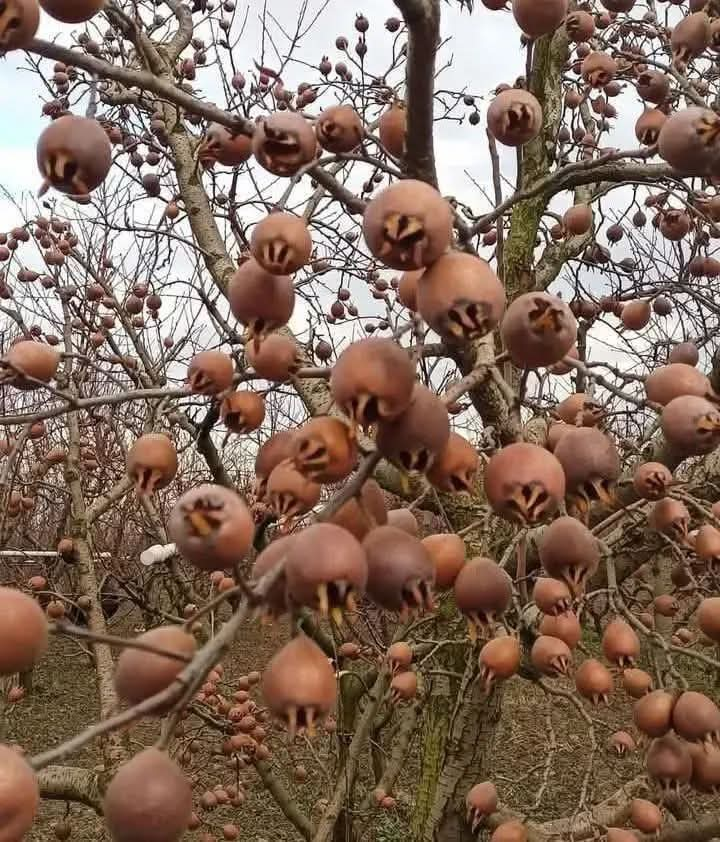
A fruit that sits on this forgotten shrub often sat in old kitchen gardens. Cultivated since Roman times has a number of “vulgar” nicknames… I don’t think they are that bad just very descriptive. My favourite is “Tudor-Arse Fruit” or “Open-Arse Fruit”
The homeland of this plant is said to be Balkan peninsula surrounding areas of the Black Sea and more. This is important as the process for this fruit to grow and ripen requires temperatures of 20 degrees but the the fruit is hardy to frost. Also important as the very low temperatures (-20) make the fruit break down through a process called “bletting”. Think of it as a process of over-ripeness. Sure is sweet but the texture is super soft.
The purpose reduces the tannin content and fruit acids, the sugar content increases and many changes take place under this natural process. The flavour is like a toffee apple and reminds me of dates. So I’ve made a sauce here that I’m going to bake into a sticky toffee pudding with a fermented noble fir cone syrup for my sessions this next weekend.
400g medlars (bletted, passed through a sieve for a pulp)
250ml soya plant based alternative to milk
100ml water
1 tsp bicarbonate of soda
115g dairy-free spread
115g soft brown sugar
1 tsp vanilla extract
200g self-raising flour
pinch ground nutmeg
½ tsp ground ginger
½ tsp ground cinnamon
Once cooled I mixed well with the rest of the ingredients and baked in a lined tin at 180 degrees for 30 minutes. Checking it’s baked like a sponge with a toothpick or knife. Looking for them to come out clean. Cool sliced and served with my fermented noble fir molasses (new batch in shop) and plant based cream.
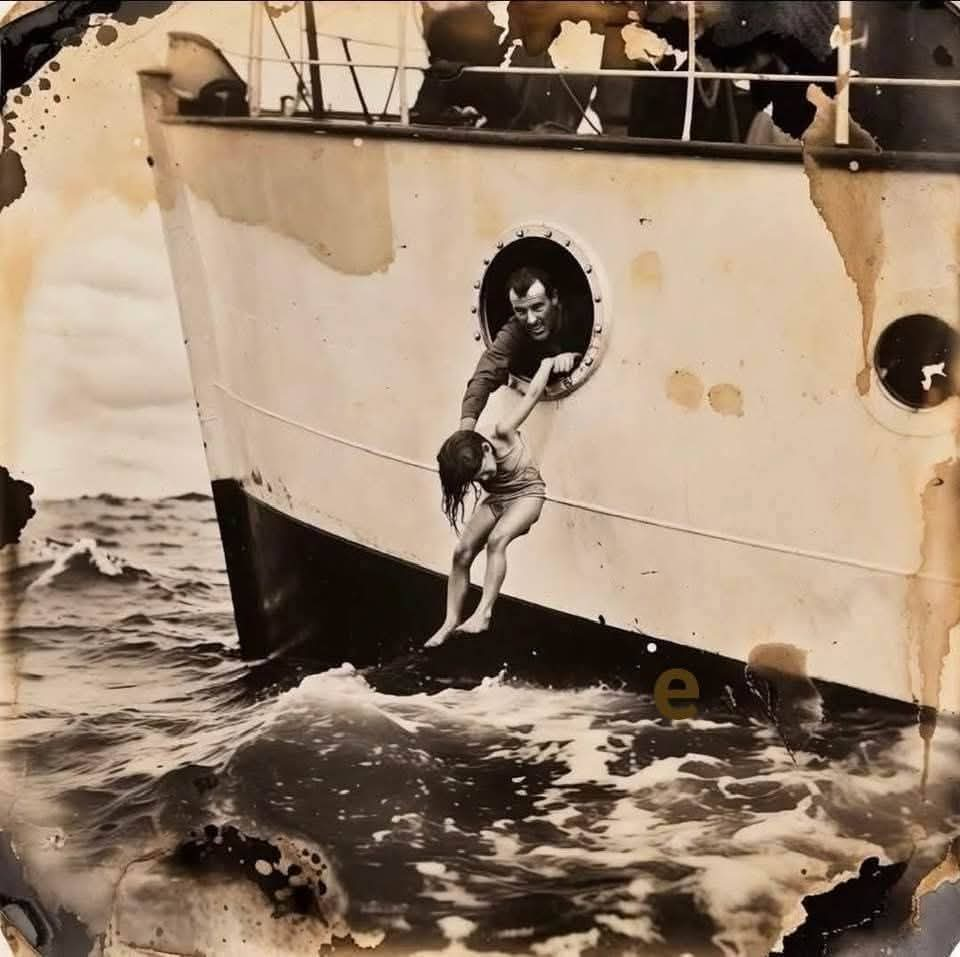
İşığa doğru (hekayə) Gəmi gecənin qara sinəsini yararaq irəliləyirdi. Atlantik okeanı bu gecə sakitliyə oxşamırdı; dalğalar sanki insan talelərini sınamaq üçün qəsdən qalxıb-enirdi. Üçüncü sinifdə, dar və havasız bölmədə Antonio Russo qızını qucağına sıxmışdı. Maria yuxulu gözlərini atasının köynəyinə sürtür, arabir anasının adını pıçıldayırdı. Antonio isə cavab verə bilmirdi — boğazında düyünlənmiş kədər sözlərə çevrilmirdi. O, bu səfəri bir xilas yolu bilmişdi. İtaliyada qalan yoxsulluq, tənha ev, susmuş ocaq… Hamısını arxada qoyub yeni həyata doğru gedirdilər. Maria üçün. Hər şey Maria üçün idi. Birdən gəmi inildədi. Sanki nəhəng bir əl onu yan çevirib silkələdi. Qışqırıqlar eşidildi. Taxtalar şaqqıldadı. Okeanın soyuq nəfəsi alt bölmələrə doldu. Su ayaqların altından sürünərək gəlirdi — əvvəl dizə, sonra sinəyə doğru. Antonio Mariyanı çiyinlərinə qaldırdı. İrəli getmək istədi, amma insan seli onu geri itələyirdi. Qaranlıqda gözlər qorxu ilə alışıb-yanırdı. O an Antonio başa düşdü ki, bu, seçimin anıdır. Gecikmək olmazdı. Göyərtəyə yaxın yerdə sınmış bir illüminator gördü. Kənarları kəsici idi, amma açıq idi. O tərəfdə qaranlıq, buz kimi su… və uzaqda zəif bir işıq — xilasetmə gəmilərinin titrək ümid işığı. Antonio qızını yerə endirdi. Diz çökdü, onun gözlərinə baxdı. Bu baxışda vidalaşma vardı, amma sözlə deyilən yox, ömür boyu daşınacaq bir baxış: — Qorxma, Maria… — dedi pıçıldayaraq. — Üzə bilirsən. İşığı görürsən? Maria başını tərpətdi, göz yaşları yanaqlarından süzülürdü. Antonio qızını qucaqladı, son dəfə bağrına basdı. Sonra bütün gücü ilə onu illüminatordan işığa doğru atdı: — Üz, Maria! — deyə qışqırdı. — İşığa doğru üz! Qızın səsi suya qarışdı. Antonio irəli atıldı, amma bədəni sığmadı. Dəniz onu geri itələdi. O, yalnız baxa bildi — işığa doğru üzən balaca bir kölgəyə. Bir neçə dəqiqə sonra hər şey bitdi. Gəmi sükutla dənizin qucağına çəkildi. Maria Russo o gecədən sonra uzun illər işıq axtardı. Bəzən onu şəhərlərin pəncərələrində gördü, bəzən uşaqlarının gözlərində, bəzən də qaranlıq gecələrdə uzaq bir xatirə kimi. Uşaqlığında düşünürdü ki, atası onu tərk edib. Sonra böyüdü, yaşadı, sevdi, ana oldu. Həqiqəti öyrəndiyi gün isə ağladı — çünki anladı: atası onu həyata atmışdı: — Bütün ömrüm boyu işığa doğru üzdüm, — deyə pıçıldadı qocalığında. — Hər addımımda onun səsini eşitdim. Və gözlərini yumarkən dəniz qorxulu deyildi artıq. Uzaqda bir işıq vardı. O işığın içində bir ata dayanmışdı: — Gəlmisən, Maria, — dedi. Qız gülümsədi: — Səni sevirəm, ata. Mən üzdüm. Həmişə işığa doğru üzdüm.
Zaur Ustac: A voice of intellectual commitment and editorial leadership
Zaur Ustac was born on January 8, 1975, in Baku, the capital of the Azerbaijan Republic—a city historically known as a crossroads of culture, intellect, and progressive thought. Growing up in this intellectually vibrant environment played a formative role in shaping his worldview and future professional path. From an early age, Ustac demonstrated a strong inclination toward learning, discipline, and public engagement, qualities that would later define his multifaceted career.
His academic journey reflects both breadth and purpose. Zaur Ustac received his foundational higher education at Baku State University, one of Azerbaijan’s most prestigious and historically significant institutions. This academic grounding provided him with a solid intellectual framework and a deep appreciation for analytical thinking and cultural responsibility.
Committed to continuous self-development, he went on to pursue further education at the Heydar Aliyev Higher Military School, an institution known not only for military excellence but also for instilling discipline, leadership, and a strong sense of national service. This phase of his education contributed significantly to his character formation, reinforcing principles of responsibility, order, and strategic thinking.
Expanding his professional horizon beyond traditional academic and military structures, Zaur Ustac continued his studies at the International Institute of Invention & Business, where innovation, entrepreneurship, and global perspectives intersect. This experience enriched his understanding of modern intellectual dynamics and the practical applications of knowledge in a rapidly changing world.
His educational path was further complemented by studies at Shamakhi Humanitas College, an institution associated with humanistic values, cultural studies, and intellectual ethics. This combination of technical, military, business, and humanistic education created a well-rounded intellectual profile, enabling Ustac to navigate both practical and cultural spheres with confidence.
Today, Zaur Ustac serves as the Chief Editor of The Yazarlar Magazine, a role that places him at the heart of literary and intellectual discourse. As chief editor, he bears responsibility not only for editorial quality but also for shaping the magazine’s moral, cultural, and intellectual direction. His work reflects a commitment to thoughtful expression, creative freedom, and the promotion of diverse voices within the literary and publicistic landscape.
Under his editorial leadership, The Yazarlar Magazine stands as a platform for ideas, reflection, and dialogue—bridging tradition with modern thought. Ustac’s editorial vision emphasizes clarity of expression, intellectual honesty, and respect for cultural values, reinforcing the role of journalism and literature as instruments of social consciousness.
Zaur Ustac’s life and work illustrate the portrait of a modern intellectual shaped by education, discipline, and cultural responsibility. His journey—from academic halls to editorial leadership—demonstrates how knowledge, when guided by purpose, can serve both individual growth and the broader public good. Through his ongoing contributions, he continues to affirm the importance of informed thought, ethical leadership, and the enduring power of the written word.
January 8: A life that became a path in the memory of a nation
Some lives begin on a calendar with a single date, yet continue in the collective memory of a people as a road—long, meaningful, and illuminating. January 8 is precisely such a beginning. It marks the birth of one of the distinguished figures of contemporary Azerbaijani literature, publicism, and national intellectual thought — poet, writer, publicist, prose author, publisher, translator, and public intellectual ZAUR USTAC.
Zaur Ustac is not merely a literary name; he is a voice shaped by time, history, and responsibility. His creative path reflects the pulse of modern Azerbaijani society — its pains, hopes, victories, and moral questions. As a member of the Azerbaijan Writers’ Union, the Azerbaijan Journalists’ Union, and the Public Union of Azerbaijan Patriotic War Veterans, he stands at the intersection of literature, civic duty, and national memory.
What distinguishes Zaur Ustac’s work is its deep connection to the fate of the nation. His poetry often speaks with the conscience of history, while his prose and publicistic writings engage directly with social truth, ethical values, and collective identity. He does not write from a distance; he writes from within the living experience of his people. His words carry the weight of witness and the clarity of moral position.
As a publicist, Zaur Ustac has consistently addressed the urgent questions of the day — national self-awareness, historical justice, cultural continuity, and the responsibility of the intellectual in times of change. His articles are marked by sincerity, courage, and a clear sense of purpose. They are not written for fleeting effect, but for lasting reflection.
Equally significant is his work as a publisher and translator, through which he has contributed to the expansion of Azerbaijan’s literary horizons. By supporting authors, preserving literary heritage, and building bridges between languages and cultures, he has helped strengthen the foundations of national literature in a global context.
The life path of Zaur Ustac is also inseparable from the modern history of Azerbaijan. His association with the veteran community reflects a lived experience of struggle, resilience, and patriotism. This dimension lends his creative work an additional depth — a sense of responsibility toward those who defended the homeland and toward future generations who must understand the true cost of independence.
January 8, therefore, is not only a birthday. It is a reminder of a creative journey that continues to shape thought, enrich culture, and inspire reflection. It is the beginning of a road that runs through poetry and prose, journalism and civic engagement, memory and hope.
Such lives do not remain confined to dates. They become part of a nation’s intellectual biography — a path walked by words, marked by conscience, and illuminated by service to truth and homeland.