Etiket arxivi: Zaur USTAJ

Interview with Zaur Ustac

Interview with Zaur Ustac

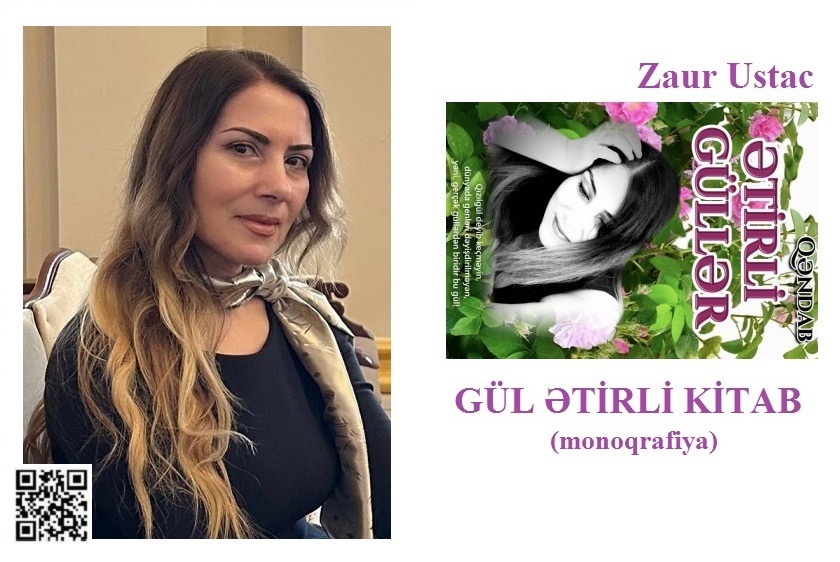
1. What inspired you to write “A Book with the Scent of Roses”?

The main inspiration behind A Book with the Scent of Roses was my deep admiration for Azerbaijani poetry and the spiritual beauty hidden within our literary heritage. While reading the poems of Qandab Haqverdi, I felt a sincere emotional and cultural richness that deserved broader literary attention. I wanted to present that beauty to readers through analysis, reflection, and artistic interpretation.

2. How did you choose Qandab Haqverdi’s (Aliyeva) “Fragrant Flowers” to analyze in your book?

Fragrant Flowers attracted my attention because of its sincerity, lyrical spirit, and strong connection to national values. The poems carry deep emotional layers while preserving the simplicity and elegance of the Azerbaijani poetic tradition. I believed that analyzing this work would help readers better understand the spiritual world of the author and the cultural atmosphere reflected in her poetry.

3. What is the significance of analyzing literary works in understanding Azerbaijani culture?

Literature is the spiritual memory of a nation. By analyzing literary works, we better understand the traditions, moral values, historical experiences, and emotional world of the Azerbaijani people. Poetry and prose preserve the voice of generations. Through literary analysis, we not only study texts, but also discover the national identity and worldview of our people.

4. How do you see the role of poetry in expressing national culture and identity?

Poetry has always been one of the strongest expressions of Azerbaijani national identity. From classical poets to modern writers, poetry reflects our love, pain, patriotism, and moral values. Azerbaijani poetry carries the spirit of our language, folklore, music, and traditions. It protects our cultural identity and passes it on to future generations.

5. What challenges did you face while writing “A Book with the Scent of Roses”?

One of the greatest challenges was approaching the literary material with complete objectivity while still preserving its emotional atmosphere. I also wanted to maintain a balance between academic analysis and artistic language so that both scholars and ordinary readers could enjoy the book. Another challenge was presenting poetic subtleties in a way that would not weaken their original beauty.

6. How do you think your book will impact Azerbaijani readers?

I hope the book will encourage readers to pay more attention to contemporary Azerbaijani literature and especially to poetic creativity. I would be happy if readers discover new literary perspectives and become more interested in analyzing literary texts. I also believe the book can strengthen appreciation for national literary values among younger generations.

7. Are there plans to publish the book in other countries or translate it into other languages?

Yes, I would very much like to see the book translated into other languages and introduced to international readers. Azerbaijani literature possesses a rich artistic and philosophical heritage that deserves global recognition. Translation projects would help build cultural bridges and promote Azerbaijani literary thought abroad.

8. How do you see the future of Azerbaijani literature?

I believe the future of Azerbaijani literature is promising. Today, many talented young writers and poets are emerging with fresh ideas and modern literary approaches while still respecting national traditions. If literature continues to receive proper support from publishers, cultural institutions, and readers, Azerbaijani literature will become even more visible internationally.

9. What is the importance of preserving Azerbaijani literary heritage?

Preserving literary heritage means protecting the cultural soul of the nation. Our classical and modern literary works reflect centuries of wisdom, ethics, and artistic thought. If we fail to preserve and study this heritage, future generations may lose connection with their cultural roots. Therefore, literary preservation is not only a cultural duty, but also a national responsibility.

10. How do you see the role of publishers and editors in supporting Azerbaijani literature?

Publishers and editors play a crucial role in the literary process. They help authors reach readers, improve the quality of publications, and support the promotion of literary works. Professional editorial work and strong publishing initiatives can significantly contribute to the development and international recognition of Azerbaijani literature.

11. What advice would you give to young Azerbaijani poets and writers?

I would advise young writers to read extensively, remain loyal to their native language, and write sincerely. Literature requires patience, discipline, and continuous self-development. At the same time, writers should never lose their individuality while following literary trends. True literature is created through honesty, deep observation, and spiritual responsibility.

12. Do you have any upcoming literary projects planned?

Yes, I am currently working on several new literary and publicistic projects related to Azerbaijani poetry, literary criticism, and cultural heritage. I also plan to continue researching contemporary Azerbaijani authors and contributing to the promotion of our national literature both locally and internationally.

In Azerbaijani language /Azərbaycan dilində:

ZAUR USTAC – GÜL ƏTİRLİ KİTAB – PDF

Zaur Ustac ilə müsahibə

  1. “Gül ətirli kitab” əsərini yazmağa sizi nə ilhamlandırdı?
    “Gül ətirli kitab” əsərinin yaranmasının əsas ilham mənbəyi Azərbaycan poeziyasına və milli ədəbi irsimizin mənəvi gözəlliyinə olan dərin sevgim olmuşdur. Qəndab Haqverdinin şeirlərini oxuyarkən orada səmimi duyğuların, milli-mədəni zənginliyin böyük bir poetik güclə ifadə olunduğunu hiss etdim. Bu gözəlliyi təhlil, düşüncə və bədii yozum vasitəsilə oxuculara təqdim etmək istədim.
  2. Kitabınızda Qəndab Haqverdinin (Əliyeva) “Ətirli güllər” əsərini təhlil etmək qərarına necə gəldiniz?
    “Ətirli güllər” əsəri səmimiyyəti, lirik ruhu və milli dəyərlərlə sıx bağlılığı ilə diqqətimi cəlb etdi. Bu şeirlər Azərbaycan poeziya ənənəsinin sadəliyini və zərifliyini qorumaqla yanaşı, dərin emosional qatlara malikdir. Düşündüm ki, bu əsərin təhlili oxuculara müəllifin mənəvi dünyasını və poeziyasında əks olunan mədəni mühiti daha yaxşı anlamağa kömək edəcək.
  3. Azərbaycan mədəniyyətini anlamaqda ədəbi əsərlərin təhlilinin əhəmiyyəti nədir?
    Ədəbiyyat xalqın mənəvi yaddaşıdır. Ədəbi əsərləri təhlil etməklə biz Azərbaycan xalqının adət-ənənələrini, mənəvi dəyərlərini, tarixi təcrübəsini və duyğu dünyasını daha yaxşı anlayırıq. Poeziya və nəsr nəsillərin səsini yaşadır. Ədəbi təhlil vasitəsilə biz yalnız mətnləri öyrənmir, həm də xalqımızın milli kimliyini və dünyagörüşünü kəşf edirik.
  4. Milli mədəniyyətin və kimliyin ifadəsində poeziyanın rolunu necə görürsünüz?
    Poeziya hər zaman Azərbaycan milli kimliyinin ən güclü ifadə vasitələrindən biri olmuşdur. Klassik şairlərdən müasir yazarlara qədər poeziya sevgimizi, ağrımızı, vətənpərvərliyimizi və mənəvi dəyərlərimizi əks etdirir. Azərbaycan poeziyası dilimizin, folklorumuzun, musiqimizin və adətlərimizin ruhunu daşıyır. O, milli kimliyimizi qoruyur və gələcək nəsillərə ötürür.
  5. “Gül ətirli kitab” əsərini yazarkən hansı çətinliklərlə qarşılaşdınız?
    Ən böyük çətinliklərdən biri ədəbi materiala tam obyektiv yanaşmaqla yanaşı, onun emosional atmosferini qoruyub saxlamaq idi. Həmçinin istəyirdim ki, akademik təhlillə bədii dili taraz şəkildə təqdim edim ki, həm alimlər, həm də adi oxucular kitabdan zövq ala bilsinlər. Digər bir çətinlik isə poetik incəlikləri onların ilkin gözəlliyini zəiflətmədən təqdim etmək idi.
  6. Sizcə kitabınız Azərbaycan oxucularına necə təsir göstərəcək?
    Ümidvaram ki, kitab oxucuları müasir Azərbaycan ədəbiyyatına, xüsusilə də poetik yaradıcılığa daha çox diqqət yetirməyə təşviq edəcək. Oxucuların yeni ədəbi baxışlar kəşf etməsi və ədəbi mətnlərin təhlilinə daha çox maraq göstərməsi məni sevindirərdi. Həmçinin düşünürəm ki, bu kitab gənc nəsildə milli ədəbi dəyərlərə olan sevgini daha da gücləndirə bilər.
  7. Kitabın başqa ölkələrdə nəşri və ya başqa dillərə tərcüməsi planlaşdırılırmı?
    Bəli, kitabın başqa dillərə tərcümə olunmasını və beynəlxalq oxuculara təqdim edilməsini çox istərdim. Azərbaycan ədəbiyyatı zəngin bədii və fəlsəfi irsə malikdir və dünya miqyasında tanınmağa layiqdir. Tərcümə layihələri mədəni körpülərin qurulmasına və Azərbaycan ədəbi düşüncəsinin xaricdə tanıdılmasına kömək edərdi.
  8. Azərbaycan ədəbiyyatının gələcəyini necə görürsünüz?
    Mən Azərbaycan ədəbiyyatının gələcəyini ümidverici hesab edirəm. Bu gün milli ənənələrə sadiq qalmaqla yanaşı, yeni ideyalar və müasir ədəbi yanaşmalarla çıxış edən çoxlu istedadlı gənc yazar və şairlər yetişir. Ədəbiyyat nəşriyyatlar, mədəniyyət qurumları və oxucular tərəfindən lazımi dəstəyi almağa davam etsə, Azərbaycan ədəbiyyatı beynəlxalq səviyyədə daha da görünən olacaq.
  9. Azərbaycan ədəbi irsinin qorunmasının əhəmiyyəti nədir?
    Ədəbi irsi qorumaq millətin mənəvi ruhunu qorumaq deməkdir. Klassik və müasir ədəbi əsərlərimiz əsrlərlə formalaşmış müdrikliyi, əxlaqı və bədii düşüncəni əks etdirir. Əgər bu irsi qoruyub öyrənməsək, gələcək nəsillər öz mədəni kökləri ilə bağlarını itirə bilərlər. Buna görə də ədəbi irsin qorunması yalnız mədəni vəzifə deyil, həm də milli məsuliyyətdir.
  10. Azərbaycan ədəbiyyatının dəstəklənməsində nəşriyyat və redaktorların rolunu necə qiymətləndirirsiniz?
    Nəşriyyatlar və redaktorlar ədəbi prosesdə çox mühüm rol oynayırlar. Onlar müəlliflərin oxuculara çatmasına, nəşrlərin keyfiyyətinin yüksəlməsinə və ədəbi əsərlərin tanıdılmasına kömək edirlər. Peşəkar redaktə işi və güclü nəşriyyat təşəbbüsləri Azərbaycan ədəbiyyatının inkişafına və beynəlxalq səviyyədə tanınmasına böyük töhfə verə bilər.
  11. Gənc Azərbaycan şair və yazıçılarına hansı tövsiyələri verərdiniz?
    Gənc yazarlara çox oxumağı, ana dilinə sadiq qalmağı və səmimi yazmağı tövsiyə edərdim. Ədəbiyyat səbir, intizam və davamlı özünüinkişaf tələb edir. Eyni zamanda, yazıçılar ədəbi tendensiyaları izləyərkən öz fərdiliklərini itirməməlidirlər. Həqiqi ədəbiyyat dürüstlük, dərin müşahidə və mənəvi məsuliyyət üzərində qurulur.
  12. Qarşıdakı dövr üçün yeni ədəbi layihələriniz varmı?
    Bəli, hazırda Azərbaycan poeziyası, ədəbi tənqid və mədəni irslə bağlı bir neçə yeni ədəbi və publisistik layihə üzərində çalışıram. Həmçinin müasir Azərbaycan müəlliflərini araşdırmağa və milli ədəbiyyatımızın həm ölkə daxilində, həm də beynəlxalq səviyyədə tanıdılmasına töhfə verməyə davam etməyi planlaşdırıram.

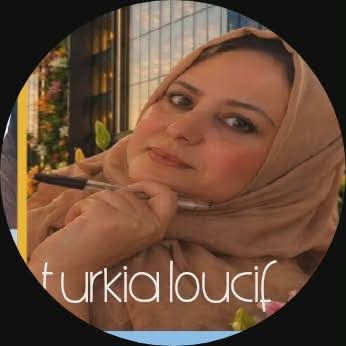
Interview conducted by / Söhbətləşdi: Turkia Loucif

DAHA ÇOX YENİ MƏLUMAT

Oxuyun >> Gözündə tük var

Zaur Ustacın şeirləri haqqında

YAZARLAR.AZ

[>>>>>>BU HEKAYƏNİ MÜTLƏQ OXU<<<<<<]

[>>Mustafa Müseyiboğlu adına kitabxana<<]

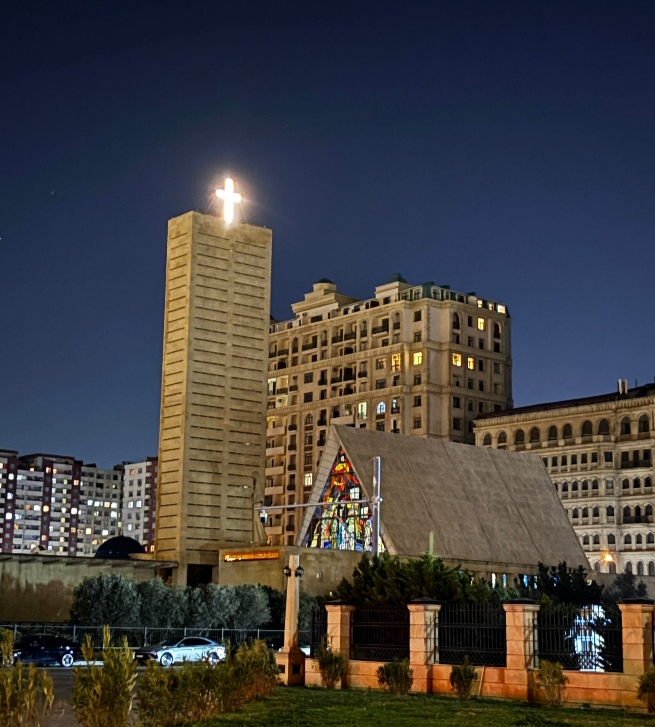
“Həyat simvolu” və Bakı multikulturalizminin canlı poetik xəritəsi

“Həyat simvolu” və Bakı multikulturalizminin canlı poetik xəritəsi
(Zaur Ustacın xəritə – şeiri haqqında)
Müasir Azərbaycan ədəbiyyatında şəhər mətnləri xüsusi yer tutur. Bu mətnlərdə şəhər təkcə məkan deyil, həm də yaddaş, kimlik və dəyərlər sistemidir. Tanınmış şair, yazıçı və publisist Zaur Ustac tərəfindən qələmə alınmış “Həyat simvolu” şeiri də bu baxımdan diqqətəlayiqdir. Əsər yalnız poetik təsvir deyil, həm də Bakı şəhərinin multikultural ruhunun bədii-publisistik ifadəsi, sözlərlə işlənmiş canlı tablosudur.
Şeir sübh çağında başlayır. Alov Qüllələri ətrafından hərəkət edən avtobus sanki oxucunu da özü ilə aparır. Bu yol sadəcə fiziki marşrut deyil – bu, tarixdən müasirliyə, müxtəlif mədəniyyətlərdən vahid milli kimliyə doğru uzanan mənəvi bir səyahətdir. Müəllifin baxış bucağından keçən hər küçə, hər bina, hər abidə bir simvola çevrilir.
Şeirdə xüsusilə diqqət çəkən məqam müxtəlif dini və mədəni məkanların bir arada təqdim olunmasıdır. Şəhidlər Xiyabanı kimi milli yaddaşın müqəddəs ünvanı ilə yanaşı, Qız Qalası kimi qədim tarix abidəsi, həmçinin kilsə, sinaqoq və məscidlərin bir-birinə yaxın yerləşməsi təsvir edilir. Bu paralel təqdimat təsadüfi deyil – bu, Azərbaycanın dövlət siyasəti səviyyəsinə yüksəlmiş multikulturalizm modelinin poetik ifadəsidir.
Müəllifin marşrutu üzərində rast gəlinən müxtəlif dini məkanlar – xristian kilsəsi, yəhudi sinaqoqu və müsəlman məscidi – bir həqiqəti təsdiqləyir: Bakı tarixən müxtəlif dinlərin və xalqların sülh içində yaşadığı bir şəhərdir. Bu mənada şeirin kulminasiya nöqtəsi Müqəddəs Bakirə Məryəmin Məsum Hamiləliyi Kilsəsi qarşısında dayanır. Burada “həyat simvolu” anlayışı konkret bir dini obyektlə yanaşı, daha geniş mənada insanlığın ortaq mənəvi dəyərlərini ifadə edir.
Şeirin dili sadə, lakin çoxqatlıdır. Küçə adları, ictimai obyektlər, tarixi şəxsiyyətlər və coğrafi məkanlar bir-birinə calanaraq canlı bir şəhər panoramı yaradır. Bu baxımdan əsər həm də publisistik mətn kimi çıxış edir – oxucuya təkcə hiss yox, həm də informasiya ötürür. Rəşid Behbudov, Səməd Vurğun, Üzeyir Hacıbəyli kimi mədəniyyət simalarının xatırlanması şəhərin yalnız memarlıq deyil, həm də mənəvi irs üzərində qurulduğunu göstərir.
Əsərin diqqətəlayiq xüsusiyyətlərindən biri də onun universallığıdır. Müxtəlif dillərə tərcümə olunması “Həyat simvolu”nun lokal çərçivəni aşaraq qlobal oxucu auditoriyasına çatdığını göstərir. Bu isə onu yalnız Azərbaycan ədəbiyyatının deyil, ümumbəşəri dəyərlərin daşıyıcısına çevirir. Şeirdə təsvir olunan Bakı modeli – fərqli dinlərin, mədəniyyətlərin və dünyagörüşlərinin harmoniyası – bu gün dünya üçün nümunəvi bir yanaşmadır.
Publisistik baxımdan yanaşdıqda, “Həyat simvolu” bir ideyanı ön plana çəkir: şəhərin gücü onun müxtəlifliyindədir. Bu müxtəliflik isə təsadüfi deyil, əsrlər boyu formalaşmış tolerantlıq ənənəsinin nəticəsidir. Azərbaycan cəmiyyətində fərqli dinlərə və mədəniyyətlərə hörmət təkcə sosial norma deyil, həm də milli kimliyin ayrılmaz hissəsidir.
Ümumilikdə, Zaur Ustacın “Həyat simvolu” əsəri Bakı şəhərinin ruhunu, onun tarixini və bu gününü bir araya gətirən bədii-publisistik nümunədir. Bu şeir vasitəsilə oxucu anlayır ki, həyatın özü də Bakı kimi rəngarəngdir – nə təkcə qırmızı, nə mavi, nə də başqa bir rəng… Onların harmoniyasından yaranan bütöv bir tablo – insanlığın ortaq “həyat simvolu” – həyatın, yaranışın, yaşamın mənbəyi və beşiyidir.

Qeyd:

“Həyat simvolu” və Bakı multikulturalizmi

SYMBOL DES LEBENS

SIMBOLO DELLA VITA

SYMBOLE DE LA VIE

Zaur Ustaj – SYMBOL OF LIFE

Zaur Ustac – Həyat simvolu

Müəllif: Günnur Ağayeva

ədəbiyyatşünas-tənqidçi

Zaur Ustac – Sonuncu döyüş

ZAUR USTACIN YAZILARI

QƏNDAB XANIMIN YAZILARI

GÜNNUR XANIMIN YAZILARI

Oxuyun >> Gözündə tük var
YAZARLAR.AZ

I>>>>>>BU HEKAYƏNİ MÜTLƏQ OXU<<<<<<I

I>>Mustafa Müseyiboğlu adına kitabxana<<I

SYMBOL DES LEBENS

SYMBOL DES LEBENS

14 Februar 2026,
die Hauptstadt Aserbaidschans,
die Stadt Baku.
Früh am Morgen
von neben den „Flammentürmen“
stieg ich in die „Linie Nummer 10“…
Zu meiner Rechten der Verkünder der Welt;
der „Fernsehturm“,
zu meiner Linken die „Flammentürme“…
Während wir hinabfahren,
rechts von mir der „Märtyrerfriedhof“,
eine Moschee, die Standseilbahn,
das Haus des Helden Ziya Bünyadov,
das „Teletheater“…
Dann Enge;
ein steiniger, holpriger Weg…
das Café „Yolki-palki“,
die Scheich-Schamil-Straße,
der „Azneft-Platz“,
wieder rechts von mir das blaue Kaspische Meer,
links von mir „Die vier Jahreszeiten“…
Wieder bleibt links der „Jungfrauenturm“…
In seinem Schoß die Wunde der Jahre;
die Kirche des Heiligen Apostels Bartholomäus,
in der Ferne;
an der Kreuzung der Straßen Pervimayski und Karganov die Synagoge der Juden,
gleich daneben die Kerbalayi-Abdullah-Moschee,
ein wenig später die Synagoge der Bergjuden, gesondert…
Während diese Bilder durch meine Gedanken ziehen, biegt der Bus ins Stadtzentrum ab – ich verabschiede mich vom „Neftyannik“,
meine „Blauäugige“ bleibt zurück…
„Dinamo“ und „API“ bleiben rechts von mir,
„Dzerzhinski“, „26er“, die Nationalbibliothek fallen auf meine linke Seite…
Das Musiktheater von Raschid Behbudov bleibt rechts…
Links, an der belebtesten Stelle der Nizami-Straße – im Herzen Bakus – die Kirche des Heiligen Gregor…
Rechts von mir – in der 28.-Mai-Straße (ehemals Telefonnaya) steht die lutherische Kirche wie ein wahrer „Erlöser“…
Wir überqueren rasch die 28.-Mai-Straße,
biegen von Mirza Agha Aliyev nach rechts ab,
vor dem Konservatorium steht Üzeyir Bey,
gegenüber der Nationalbank bleibt der große Führer,
links hinten…
Vor der Metrostation 28. Mai hält der Bus kurz…
Rechts von mir bleibt „AZI“, links der „Bahnhof“…
Wer einsteigt, steigt ein, wer aussteigt, steigt aus…
Wir setzen unseren Weg fort…
Von der Puschkin-Straße biegen wir nach rechts ab;
links bleibt der große Samad Vurgun,
rechts der Ort des „Baku-Hotels“…
Halt, „Nummer 10“! Halt!
Als hätte der Fahrer meinen Ruf gehört,
beschleunigt er…
Wieder fahren wir hinaus zum „Neftyannik“…
Puschkin bleibt links,
„Domsowet“ rechts…
Wir erreichen den „Seehafen“ und biegen nach links ab,
das blaue Kaspische Meer bleibt rechts…
In der Ferne, im Schoß des Meeres, badet die Sonne!
Das blaue Auge meines Kaspischen Meeres ist zu einer blutroten Schale geworden!
Wir erreichen den Siegespark und biegen nach links ab,
der Siegesbogen bleibt rechts, zurück…
Wir fahren geradeaus, immer geradeaus…
Vom Ort der Gagarin-Brücke –
über die Afiyeddin-Dschalilow-Straße…
Das „Entbindungsheim“ bleibt rechts,
das Krankenhaus der Ölarbeiter links…
Mein Ahnherr Schah Chätai bleibt links,
das Gericht der Gerechtigkeit rechts…
Wir fahren geradeaus über die Chodschali-Allee…
Links von mir die Metrostation Chätai,
rechts der Tempel der Chemiker;
Mendelejew, Məmmədəliyev – es gibt eine Ähnlichkeit…
Wir fahren geradeaus, immer geradeaus…
Links hinten;
die Statue einer Frau, die ihr Kind Gott übergibt,
klagend, bleibt zurück…
Wieder wenden wir uns dem Kaspischen Meer zu…
Die purpurrote Sonne glüht am Horizont…
Die Brust der Nacht wird aufgerissen…
Die Arme des roten Schimmers strecken sich in den Schoß der Nacht,
der Himmel nimmt eine seltsame Farbe an –
eine Mischung aus Blau und Rot…
Ich möchte den Himmel näher sehen:
„Halt, halt!“ – sage ich zum Fahrer…
Unter dem Vorwand einer Haltestelle will er nicht anhalten…
Ich gehe zur Tür, lege meine Hand an den Mund,
tue so, als müsste ich mich übergeben…
Der Fahrer hält sofort den Bus.
Ich steige sogleich in die „Nummer 11“…
Mein Geist schreitet dem Meer entgegen…
Der Himmel ist klar, die Luft leicht kühl…
Der Morgenwind weht vom Meer in mein Gesicht.
Links vor mir, ganz nah,
fällt ein heller Stern in mein Auge…
Ich gehe zum Meer hin und erreiche ihn direkt.
Ein seltsames Gebäude; eine Säule, die sich in den Himmel dreht…
Ganz oben leuchtet wie ein Stern das „Symbol des Lebens“…
Es hat Farbe von der Sonne angenommen;
weder rot noch rosa noch orange…
Seine Farbe ist sehr eigenartig,
ganz wie die Welt selbst…
Ich gehe dem Meer entgegen,
auf meinem Weg sitzt eine alte Frau,
vielleicht achtzig Jahre alt,
ärmlich gekleidet…
Vor ihr 3–4 gelbe Zitronen,
5–6 Bündel Petersilie…
„Was ist das für ein Gebäude, gute Frau?“ – frage ich die Alte.
Im Zwielicht des Morgens öffnet sich auch ihr Blick…
„Ich bin nicht die Dame, schau, sie ist es!“ –
auch mir, mit grauem Bart, öffnet sich der Blick…
„Es ist die Kirche der Unbefleckten Empfängnis der Heiligen Jungfrau Maria…“

14 Februar 2026, Baku (06:41)
Autor: Zaur USTAC

Articles by Zaur Ustac

Daha çox məlumat burada

ZAUR USTACIN YAZILARI

Oxuyun >> Gözündə tük var

Zaur Ustacın şeirləri haqqında

YAZARLAR.AZ

I>>>>>>BU HEKAYƏNİ MÜTLƏQ OXU<<<<<<I

I>>Mustafa Müseyiboğlu adına kitabxana<<I

SIMBOLO DELLA VITA

SIMBOLO DELLA VITA

14 febbraio 2026,
capitale dell’Azerbaigian,
città di Baku.

Di buon mattino,
accanto alle “Torri di Fuoco”,
sono salito sull’autobus “numero 10”…

Alla mia destra, il messaggero del mondo;
la “Torre della Televisione”,
alla mia sinistra, le “Torri di Fuoco”…

Scendendo,
alla mia destra: il “Viale dei Martiri”,
la moschea, la funicolare,
la casa dell’eroe Ziya Bunyadov,
il “Teleteatro”…

Poi una discesa;
strada pietrosa, accidentata…
il caffè “Yolki-palki”,
via Sheikh Shamil,
“Piazza Azneft”,
di nuovo alla mia destra il Mar Caspio azzurro,
alla mia sinistra “Le quattro stagioni”…

Ancora alla mia sinistra resta la “Torre della Fanciulla”…
nel suo grembo le ferite degli anni;
la chiesa del Santo Apostolo Bartolomeo,
in lontananza;
all’incrocio tra via Pervomayski e Karqanov, la sinagoga degli ebrei,
proprio accanto la moschea di Kerbalai Abdullah,
poco dopo, separatamente, la sinagoga degli ebrei di montagna…

Mentre questi pensieri mi attraversano, l’autobus gira verso il centro della città – mi separo da “Neftyannik”,
la mia “dagli occhi azzurri” resta indietro…

“Dinamo” e “API” restano alla mia destra,
“Dzerjinski”, “i 26”, la Biblioteca Nazionale cadono alla mia sinistra…

Alla mia destra resta il teatro della canzone di Rashid Behbudov…
Alla sinistra, nel punto più vivo di via Nizami – proprio nel centro di Baku – la Chiesa di San Gregorio…
alla mia destra – in via 28 Maggio (ex Telefonnaya) – si erge la chiesa luterana come un vero “Salvatore”…

Attraversiamo velocemente via 28 Maggio,
giriamo a destra da Mirza Agha Aliyev,
davanti al Conservatorio resta Uzeyir bey,
di fronte alla Banca Nazionale resta il Grande Leader,
rimasti dietro, a sinistra…

Davanti alla stazione metro 28 Maggio l’autobus si ferma un poco…
Alla mia destra resta “AZI”, alla mia sinistra la “Stazione”…
Chi sale, sale; chi scende, scende…
Continuiamo il nostro cammino…

Da via Pushkin giriamo a destra;
alla mia sinistra resta il grande Samad Vurgun,
alla mia destra il luogo dell’“Hotel Baku”…

“Fermata! Numero 10! Fermata!”
Come se l’autista avesse sentito la mia voce,
aumenta la velocità…

Torniamo di nuovo a “Neftyannik”…
Pushkin resta alla mia sinistra,
“Domsovet” alla mia destra…

Arriviamo al porto marittimo e giriamo a sinistra,
il Mar Caspio azzurro resta alla mia destra…
In lontananza, nel grembo del mare, si lava il Sole!
L’occhio azzurro del mio Mar Caspio si è trasformato in un bacino di sangue!

Arriviamo al Parco della Vittoria e giriamo a sinistra,
l’Arco della Vittoria resta alla mia destra, dietro…

Andiamo dritti, sempre dritti…
Dal luogo del ponte Gagarin –
passiamo per via Afiyaddin Jalilov…

Il reparto maternità resta a destra,
l’ospedale dei petrolieri alla mia sinistra…

Il mio antenato Shah Khatai resta alla mia sinistra,
il tribunale della giustizia alla mia destra…

Procediamo dritti lungo il viale Khojaly…
Alla mia sinistra la metro Khatai,
alla mia destra il tempio dei chimici;
Mendeleev, Mammadaliyev – c’è una somiglianza…

Andiamo dritti, dritti…
Dietro, a sinistra;
la statua della donna che offre il suo bambino a Dio, gridando, resta indietro…

Ancora verso il Caspio…
Il Sole rosso vivo arrossisce all’orizzonte…
Il petto della notte si squarcia…
Le braccia del bagliore rosso si distendono nel grembo della notte,
il cielo assume un colore strano –
una miscela di blu e rosso…

Voglio vedere il cielo più da vicino:
“Fermati, fermati!” – dico all’autista…
Con la scusa della fermata non vuole fermarsi…

Mi avvicino alla porta, porto la mano alla bocca,
fingo di avere la nausea…
L’autista ferma subito l’autobus.

Scendo e salgo subito sull’“11”…
La mia anima cammina verso il mare…

Il cielo è limpido, l’aria leggermente gelida…
La brezza dell’alba soffia dal mare sul mio volto.

Alla mia sinistra, proprio davanti, molto vicino,
una stella luminosa cattura il mio sguardo…
Vado verso il mare e arrivo proprio accanto.

È un edificio strano; una colonna si slancia verso il cielo…
In cima brilla come una stella il “simbolo della vita”…

Ha preso colore dal Sole;
né rosso, né rosa, né arancione…
Il suo colore è molto strano,
proprio come il mondo stesso…

Vado verso il mare,
sulla mia strada siede una vecchia donna,
avrà ottant’anni,
mal vestita…
Davanti a lei 3-4 limoni gialli,
5-6 mazzi di prezzemolo…

— Che edificio è questo, signora? – chiedo alla vecchia.
Nel chiarore dell’alba si illumina anche il suo volto…

— Non sono io la signora, ecco, è quella! – dice —
— È la Chiesa dell’Immacolata Concezione della Beata Vergine Maria…

14 febbraio 2026, Baku (06:41)
Autore: Zaur USTAC

Articles by Zaur Ustac

Daha çox məlumat burada

ZAUR USTACIN YAZILARI

Oxuyun >> Gözündə tük var

Zaur Ustacın şeirləri haqqında

YAZARLAR.AZ

I>>>>>>BU HEKAYƏNİ MÜTLƏQ OXU<<<<<<I

I>>Mustafa Müseyiboğlu adına kitabxana<<I

SYMBOLE DE LA VIE

SYMBOLE DE LA VIE

14 février 2026,
capitale de l’Azerbaïdjan,
ville de Bakou.

Très tôt le matin,
depuis près des « Tours de Flamme »,
je suis monté dans le bus « numéro 10 »…

À ma droite, le messager du monde ;
la « Tour de Télévision »,
à ma gauche, les « Tours de Flamme »…

À mesure que nous descendons,
à ma droite : l’« Allée des Martyrs »,
la mosquée, le funiculaire,
la maison du héros Ziya Bünyadov,
le « Téléthéâtre »…

Puis, un chemin pierreux et irrégulier…
le café « Yolki-palki »,
la rue Cheikh Shamil,
la « place Azneft »,
de nouveau à ma droite la mer Caspienne bleue,
à ma gauche « Les Quatre Saisons »…

Encore à ma gauche se trouve la « Tour de la Vierge »…
En son sein, la blessure des années ;
l’église du saint apôtre Barthélemy,
au loin ;
à l’intersection des rues Pervimayski et Karganov, la synagogue juive,
juste à côté la mosquée de Kerbalayi Abdullah,
un peu plus loin, une autre synagogue des Juifs des montagnes…

Pendant que tout cela traverse mon esprit, le bus tourne vers le centre-ville — je me sépare de « Neftyannik »,
mon « aux yeux bleus » reste derrière…

« Dinamo » et « API » restent à ma droite,
« Dzerjinski », « 26 commissaires », la Bibliothèque nationale restent à ma gauche…

Le théâtre de chansons de Rashid Behbudov reste à ma droite…
À gauche, au point le plus animé de la rue Nizami — en plein centre de Bakou — l’église Saint-Grégoire…

À ma droite — dans la rue du 28 Mai (ancienne Telefonnaya) — l’église luthérienne s’élève comme un véritable « Sauveur »…

Nous traversons rapidement la rue du 28 Mai,
tournons à droite depuis Mirza Agha Aliyev,
en face du Conservatoire reste Uzeyir bey,
devant la Banque nationale, le Grand Leader reste derrière à gauche…

Le bus s’arrête un instant devant le métro 28 Mai…
À ma droite « AZI », à ma gauche la « Gare »…
Montent ceux qui montent, descendent ceux qui descendent…
Nous continuons notre route…

Nous tournons à droite depuis la rue Pouchkine ;
à ma gauche reste le grand Samad Vurgun,
à ma droite, l’emplacement de l’« Hôtel Bakou »…

Avance, « numéro 10 » ! Avance !
Comme si le conducteur avait entendu ma voix,
il accélère…

Nous ressortons de nouveau vers « Neftyannik »…
Pouchkine reste à ma gauche,
« Domsovet » à ma droite…

En arrivant au « Port Maritime », nous tournons à gauche,
la mer Caspienne bleue reste à ma droite…
Au loin, dans le sein de la mer, le Soleil se baigne.
L’œil bleu de ma Caspienne est devenu rouge comme le sang !

En arrivant au Parc de la Victoire, nous tournons à gauche,
l’arc de la Victoire reste à droite, derrière…

Nous continuons tout droit, tout droit…
Depuis l’endroit du pont Gagarine —
nous passons par la rue Afiyaddin Jalilov…

La « maternité » reste à droite,
l’hôpital des pétroliers à ma gauche…

Mon ancêtre, le shah Jataï, reste à ma gauche,
le tribunal à ma droite…

Nous avançons tout droit sur l’avenue Joyalı…
À ma gauche le métro Jataï,
à ma droite le temple des chimistes ;
Mendeleïev, Məmmədəliyev — il y a une similitude…

Nous continuons tout droit, tout droit…
À gauche, en arrière ;
reste la statue de la femme qui offre son enfant à Dieu,
qui implore…

De nouveau, nous allons vers la Caspienne…
Le rouge intense du Soleil embrase l’horizon…
La poitrine de la nuit se déchire…

Les bras de la lueur rouge s’étendent vers le sein de la nuit,
le ciel prend une couleur étrange
— un mélange de bleu et de rouge…

Je veux voir le ciel de plus près :
— Arrête, arrête ! — dis-je au conducteur…
Il ne veut pas s’arrêter, prétextant l’arrêt…

Je m’approche de la porte, porte la main à ma bouche,
feins la nausée…
Le conducteur arrête immédiatement le bus.

Aussitôt, je monte dans le « numéro 11 »…
Mon âme marche vers la mer…

Le ciel est complètement dégagé, l’air légèrement frais…
La brise de l’aube souffle de la mer vers mon visage.

À gauche, juste devant moi, très près,
une étoile brillante attire mon attention…

Je vais vers la mer et j’arrive juste à côté.
C’est un bâtiment étrange ; une colonne s’élève vers le ciel…
À son sommet, comme une étoile, brille le « symbole de la vie »…

Il a pris la couleur du Soleil ;
ni rouge, ni rose, ni orange…
Sa couleur est très étrange,
comme le monde lui-même…

Je continue à marcher vers la mer,
sur mon chemin, une vieille femme est assise,
elle doit avoir environ quatre-vingts ans,
ses vêtements sont usés…

Devant elle, 3–4 citrons jaunes,
5–6 bouquets de persil…

— Quel est ce bâtiment, madame ? — demandé-je à la vieille…

Dans la pénombre de l’aube, elle aussi s’illumine…
— Madame, ce n’est pas moi, c’est elle ! —
dit celle à la barbe blanche — moi aussi je m’illumine…

— C’est l’Église de l’Immaculée Conception de la Sainte Vierge Marie… — que Dieu la bénisse…

14 février 2026. Bakou. (06:41)

Auteur:  Zaur USTAJ

Articles by Zaur Ustaj

Daha çox məlumat burada

ZAUR USTACIN YAZILARI

Oxuyun >> Gözündə tük var

Zaur Ustacın şeirləri haqqında

YAZARLAR.AZ

I>>>>>>BU HEKAYƏNİ MÜTLƏQ OXU<<<<<<I

I>>Mustafa Müseyiboğlu adına kitabxana<<I

Zaur Ustaj and Turkan Alpturan

Zaur Ustaj and Turkan Alpturan

Zaur Ustaj and Turkan Alpturan are connected through creative collaboration and literature. Their names are most often mentioned together in the context of a book and articles dedicated to a young talent.

Here are the main details of their interaction:

The book “Turkan Alpturan”: Zaur Ustaj is the author (or compiler of materials) of a book dedicated to Turkan Alpturan. He refers to her as the “Princess of Colors” (Rənglərin Şahzadəsi).

Turkan Alpturan (Huseynli): She is a young artist and writer, born on April 13, 2018, in Baku. Despite her very young age, she is actively engaged in painting and creative work.

Support for talent: Zaur Ustaj, as a writer and head of the “Yazarlar.az” project, actively promotes Turkan’s творчество, publishing articles about her achievements and organizing the publication of materials about her works in the “Yazarlar” magazine.

In short, Zaur Ustaj acts as a mentor or promoter of the young artist’s творчество, having dedicated a separate publication and a number of articles to her within the literary environment of Azerbaijan.

Заур Устадж и Тюркан Алптуран

ZAUR USTAC – TÜRKAN ALPTURAN – PDF

I>>> OXU >>>>>> XÜSUSİ BURAXILIŞ – 61

TURKAN ALPTURANDownload

ZAUR USTAC – TÜRKAN ALPTURAN – PDF

Автор:  Амина (Amina)

AMİNANIN DİGƏR YAZILARI

ДРУГИЕ СТАТЬИ АВТОРА

Daha çox məlumat burada

ZAUR USTACIN YAZILARI

Oxuyun >> Gözündə tük var

Zaur Ustacın şeirləri haqqında

YAZARLAR.AZ

I>>>>>>BU HEKAYƏNİ MÜTLƏQ OXU<<<<<<I

I>>Mustafa Müseyiboğlu adına kitabxana<<l

Zaur USTAC – SÍMBOLO DE LA VIDA

SÍMBOLO DE LA VIDA

14 de febrero de 2026,
capital de Azerbaiyán,
ciudad de Bakú.
Muy temprano en la mañana,
desde junto a las “Torres de Fuego”,
subí al autobús “número 10”…
A mi derecha, el mensajero del mundo;
la “Torre de Televisión”,
a mi izquierda, las “Torres de Fuego”…
A medida que descendemos,
a mi derecha: el “Callejón de los Mártires”,
la mezquita, el funicular,
la casa del héroe Ziya Bünyadov,
el “Teleteatro”…
Luego, un camino pedregoso, irregular…
el café “Yolki-palki”,
la calle Sheij Shamil,
la “plaza Azneft”,
otra vez a mi derecha el azul Caspio,
a mi izquierda “Las Cuatro Estaciones”…
De nuevo a mi izquierda queda la “Torre de la Doncella”…
En su seno, la herida de los años;
la iglesia del santo apóstol Bartolomé,
a lo lejos;
en la intersección de las calles Pervimayski y Karganov, la sinagoga judía,
justo al lado la mezquita de Kerbalayi Abdullah,
un poco más allá, otra sinagoga de los judíos de las montañas…
Mientras todo esto pasa por mi mente, el autobús gira hacia el centro de la ciudad — me separo de “Neftyannik”,
mi “de ojos azules” queda atrás…
“Dinamo” y “API” quedan a mi derecha,
“Dzerjinski”, “26 comisarios”, la Biblioteca Nacional quedan a mi izquierda…
El teatro de canciones de Rashid Behbudov queda a mi derecha…
A la izquierda, en el punto más animado de la calle Nizami — en pleno centro de Bakú — la iglesia de San Gregorio…
A mi derecha — en la calle 28 de Mayo (antigua Telefonnaya) — la iglesia luterana se alza como un verdadero “Salvador”…
Atravesamos rápidamente la calle 28 de Mayo,
giramos a la derecha desde Mirza Agha Aliyev,
frente al Conservatorio queda Uzeyir bey,
frente al Banco Nacional, el Gran Líder queda atrás a la izquierda…
El autobús se detiene un momento frente al metro 28 de Mayo…
A mi derecha queda “AZI”, a mi izquierda la “Estación”…
Suben los que suben, bajan los que bajan…
Seguimos nuestro camino…
Giramos a la derecha desde la calle Pushkin;
a mi izquierda queda el gran Samad Vurgun,
a mi derecha, el lugar del “Hotel Bakú”…
¡Avanza, “número 10”! ¡Avanza!
Como si el conductor hubiera escuchado mi voz,
aumenta la velocidad…
Salimos de nuevo a “Neftyannik”…
Pushkin queda a mi izquierda,
“Domsovet” a mi derecha…
Al llegar al “Puerto Marítimo”, giramos a la izquierda,
el azul Caspio queda a mi derecha…
A lo lejos, en el regazo del mar, se baña el Sol.
¡El ojo azul de mi Caspio se ha vuelto rojo como sangre!
Al llegar al Parque de la Victoria, giramos a la izquierda,
el arco de la Victoria queda a la derecha, atrás…
Seguimos recto, recto…
Desde el lugar del puente Gagarin —
pasamos por la calle Afiyaddin Jalilov…
El “Raddom” queda a la derecha,
el hospital de los petroleros a mi izquierda…
Mi antepasado shah, Jatai, queda a mi izquierda,
el tribunal de justicia a mi derecha…
Avanzamos recto por la avenida Joyalí…
A mi izquierda el metro Jatai,
a mi derecha el templo de los químicos;
Mendeléyev, Məmmədəliyev — hay similitud…
Seguimos recto, recto…
A la izquierda, atrás;
queda la estatua de la mujer que entrega su hijo a Dios,
que clama…
De nuevo vamos hacia el Caspio…
El rojo intenso del Sol enrojece el horizonte…
El pecho de la noche se desgarra…
Los brazos del resplandor rojo se extienden hacia el seno de la noche,
el cielo toma un color extraño
— una mezcla de azul y rojo…
Quiero ver el cielo más de cerca:
— ¡Detén, detén! — le digo al conductor…
No quiere parar, usando la excusa de la parada…
Me acerco a la puerta, llevo la mano a la boca,
finjo náuseas…
El conductor detiene el autobús de inmediato.
Enseguida subo al “número 11”…
Mi alma camina hacia el mar…
El cielo está completamente despejado, el aire ligeramente fresco…
La brisa del amanecer sopla desde el mar hacia mi rostro.
A la izquierda, justo frente a mí, muy cerca,
una estrella brillante llama mi atención…
Voy hacia el mar y llego justo a su lado.
Es un edificio extraño; una columna se eleva hacia el cielo…
En la punta, como una estrella, brilla el “símbolo de la vida”…
Ha tomado color del Sol;
ni rojo, ni rosado, ni naranja…
Su color es muy extraño,
como el mundo mismo…
Sigo caminando hacia el mar,
en mi camino, una anciana está sentada,
tendrá unos ochenta años,
su ropa está gastada…
Delante de ella, 3–4 limones amarillos,
5–6 manojos de perejil…
— ¿Qué es este edificio, señora? — le pregunto a la anciana.
En la penumbra del amanecer, ella también se ilumina…
— Señora no soy yo, ¡es ella! —
— dice la de barba blanca — yo también me ilumino…
— Es la Iglesia de la Inmaculada Concepción de la Santísima Virgen María… — que Dios la bendiga…

14 de febrero de 2026. Bakú. (06:41)

Autor: Zaur USTAJ

Articles by Zaur Ustaj

Daha çox məlumat burada

ZAUR USTACIN YAZILARI

Oxuyun >> Gözündə tük var

Zaur Ustacın şeirləri haqqında

YAZARLAR.AZ

I>>>>>>BU HEKAYƏNİ MÜTLƏQ OXU<<<<<<I

I>>Mustafa Müseyiboğlu adına kitabxana<<I

Zaur Ustaj – SYMBOL OF LIFE

SYMBOL OF LIFE

February 14, 2026,
The capital of Azerbaijan,
The city of Baku.

Early at dawn,
Passing by the Flame Towers,
I boarded bus “Number 10”…

On my right, the herald of the world –
the Baku TV Tower,
On my left, the Flame Towers…

As we descended,
On my right – Martyrs’ Lane,
A mosque, the funicular,
The house of hero Ziya Bunyadov,
The Teletheater…

Then the slope begins;
A stony, rugged road…
“Yolki-Palki” café,
Sheikh Shamil Street,
Azneft Square,
Again on my right – the blue Caspian Sea,
On my left – “Four Seasons”…

Again on my left remains the Maiden Tower…
Bearing the wounds of centuries in its bosom;
The Church of Saint Bartholomew,
Far away;
At the intersection of Pervomayskaya and Karganov streets – a Jewish synagogue,
Right beside it the Karbalayi Abdullah Mosque,
A little further – the Mountain Jews’ synagogue…

All this in my thoughts as the bus turns toward the city center –
I leave “Neftyannik,”
My “blue-eyed one” stays behind…

“Dinamo” and the Pedagogical Institute remain on my right,
“Dzerzhinsky,” “26 Commissars,” the National Library fall to my left…

The Song Theatre of Rashid Behbudov remains on my right…
On the left, in the busiest part of Nizami Street –
In the very heart of Baku –
The Church of Saint Gregory…

On my right, on 28 May Street (former Telefonnaya),
The Lutheran church stands like a true “Savior”…

We swiftly pass 28 May Street,
Turn right from Mirza Agha Aliyev Street,
In front of the Conservatory stands Uzeyir Hajibeyov,
Opposite the National Bank – the Great Leader,
Remain behind on the left…

The bus pauses briefly in front of 28 May metro station…
On my right – “AZI,” on my left – the Railway Station…
Passengers get on, others get off…
We continue our journey…

Turning right from Pushkin Street;
On my left remains the great Samad Vurgun,
On my right – the former site of “Baku Hotel”…

“Move on, Number 10! Move!”
As if the driver hears my voice,
He accelerates…

We return again to “Neftyannik”…
Pushkin remains on my left,
“Domsovet” on my right…

Reaching the Seaport, we turn left,
The blue Caspian remains on my right…

Far away, in the embrace of the sea, the Sun is bathing!
The blue eye of my Caspian turns into a bowl of blood and life!

We reach Victory Park and turn left,
The Victory Arch remains behind on my right…

We go straight, straight…
Passing where Gagarin Bridge once stood –
Along Afiyaddin Jalilov Street…

The maternity hospital remains on the right,
The Oil Workers’ Hospital on my left…

My shah ancestor Shah Ismail Khatai remains on my left,
The Court of Justice on my right…

We go straight along Khojaly Avenue…
On my left – Khatai metro,
On my right – the temple of chemists;
Mendeleev, Mammadaliyev – there is a resemblance…

We go straight, straight…
Behind on the left;
A statue of a grieving woman
Who entrusted her child to God…

Again we move toward the Caspian…
The crimson Sun reddens at the horizon…
The chest of night is torn open…

The crimson rays stretch into the arms of night,
The sky takes on a strange hue –
A blend of blue and red…

I want to see the sky more closely:
“Stop, stop!” I say to the driver…

He does not want to stop, using the excuse of the stop…
I approach the door, bring my hand to my mouth,
Pretend to feel nauseous…

The driver quickly stops the bus.
Immediately, I “board bus number 11”…

My soul walks toward the sea…
The sky is crystal clear, the air slightly frosty…
The dawn breeze touches my face from the sea…

On the left, right in front of me, very close,
A bright star catches my eye…

I walk toward it, reach right beside it.
A strange building; a column rises into the sky…
At its top shines like a star – the “symbol of life”…

It has taken color from the Sun;
Neither red, nor pink, nor orange…
Its color is very strange,
Just like the world itself…

I walk toward the sea,
On my path sits an old woman,
Perhaps eighty years old,
Poorly dressed…

In front of her – 3–4 yellow lemons,
5–6 bunches of parsley…

“What building is this, ma’am?” I ask the old woman.

In the dim light of dawn, she awakens…
“I am not the lady, look, there she is!”
– my bearded self awakens too…

“It is the Church of the Immaculate Conception of the Blessed Virgin Mary…” – may I be your sacrifice…

February 14, 2026. Baku. (06:41)


Author:  Zaur USTAJ

Articles by Zaur Ustaj

Daha çox məlumat burada

ZAUR USTACIN YAZILARI

Oxuyun >> Gözündə tük var

Zaur Ustacın şeirləri haqqında

YAZARLAR.AZ

I>>>>>>BU HEKAYƏNİ MÜTLƏQ OXU<<<<<<I

I>>Mustafa Müseyiboğlu adına kitabxana<<I

About Zaur Ustac

About Zaur Ustac

(essay)

Zaur Ustac is a well-known contemporary Azerbaijani poet, writer, and publicist whose works have gained recognition both in his homeland and abroad. He is often called a “man of books” because of his deep devotion to literature, culture, and the art of the written word. His creative activity reflects a strong sense of patriotism, love, and philosophical reflection on human life.

From an early age, Zaur Ustac showed interest in literature, history, and national traditions. Over time, this passion grew into a lifelong mission to preserve and promote Azerbaijani cultural values. He has written poems, essays, stories, and research articles that highlight not only the beauty of the Azerbaijani language but also the importance of moral and spiritual heritage.

One of the remarkable qualities of Zaur Ustac’s work is its accessibility. His poems and writings are close to the hearts of ordinary readers, yet they also carry profound philosophical meaning. Through his artistic style, he manages to balance simplicity with depth, turning everyday experiences into reflections on love, patriotism, friendship, and human destiny.

In addition to being a poet, Zaur Ustac is also an active cultural figure. He has organized literary projects, supported young writers, and contributed to the development of literary journalism. His role in enriching the modern Azerbaijani literary scene makes him a respected figure among intellectuals and readers alike.

Zaur Ustac’s legacy continues to grow, not only in Azerbaijan but internationally as well. His works have been translated into different languages, allowing the voice of Azerbaijani literature to be heard around the world. By combining tradition with modern thought, he has secured his place as one of the leading literary figures of his time.

In conclusion, Zaur Ustac is more than just a poet or writer; he is a cultural ambassador who represents the spirit of Azerbaijani literature and identity. His creativity, dedication, and love for his homeland make him an inspiring figure for future generations.

By: Leyla Mahirqızı,

Other articles by Leyla

DAHA ÇOX YENİ MƏLUMAT

Oxuyun >> Gözündə tük var

Zaur Ustacın şeirləri haqqında

YAZARLAR.AZ

I>>>>>>BU HEKAYƏNİ MÜTLƏQ OXU<<<<<<I

I>>Mustafa Müseyiboğlu adına kitabxana<<I

Zaur Ustac was born on January 8, 1975, in Baku

Zaur Ustac: A voice of intellectual commitment and editorial leadership

Zaur Ustac was born on January 8, 1975, in Baku, the capital of the Azerbaijan Republic—a city historically known as a crossroads of culture, intellect, and progressive thought. Growing up in this intellectually vibrant environment played a formative role in shaping his worldview and future professional path. From an early age, Ustac demonstrated a strong inclination toward learning, discipline, and public engagement, qualities that would later define his multifaceted career.

His academic journey reflects both breadth and purpose. Zaur Ustac received his foundational higher education at Baku State University, one of Azerbaijan’s most prestigious and historically significant institutions. This academic grounding provided him with a solid intellectual framework and a deep appreciation for analytical thinking and cultural responsibility.

Committed to continuous self-development, he went on to pursue further education at the Heydar Aliyev Higher Military School, an institution known not only for military excellence but also for instilling discipline, leadership, and a strong sense of national service. This phase of his education contributed significantly to his character formation, reinforcing principles of responsibility, order, and strategic thinking.

Expanding his professional horizon beyond traditional academic and military structures, Zaur Ustac continued his studies at the International Institute of Invention & Business, where innovation, entrepreneurship, and global perspectives intersect. This experience enriched his understanding of modern intellectual dynamics and the practical applications of knowledge in a rapidly changing world.

His educational path was further complemented by studies at Shamakhi Humanitas College, an institution associated with humanistic values, cultural studies, and intellectual ethics. This combination of technical, military, business, and humanistic education created a well-rounded intellectual profile, enabling Ustac to navigate both practical and cultural spheres with confidence.

Today, Zaur Ustac serves as the Chief Editor of The Yazarlar Magazine, a role that places him at the heart of literary and intellectual discourse. As chief editor, he bears responsibility not only for editorial quality but also for shaping the magazine’s moral, cultural, and intellectual direction. His work reflects a commitment to thoughtful expression, creative freedom, and the promotion of diverse voices within the literary and publicistic landscape.

Under his editorial leadership, The Yazarlar Magazine stands as a platform for ideas, reflection, and dialogue—bridging tradition with modern thought. Ustac’s editorial vision emphasizes clarity of expression, intellectual honesty, and respect for cultural values, reinforcing the role of journalism and literature as instruments of social consciousness.

Zaur Ustac’s life and work illustrate the portrait of a modern intellectual shaped by education, discipline, and cultural responsibility. His journey—from academic halls to editorial leadership—demonstrates how knowledge, when guided by purpose, can serve both individual growth and the broader public good. Through his ongoing contributions, he continues to affirm the importance of informed thought, ethical leadership, and the enduring power of the written word.

Author: Leyla Mahirqızı,

Other articles by Leyla

ZAUR USTACIN YAZILARI

Oxuyun >> Gözündə tük var

Zaur Ustacın şeirləri haqqında

GÜNNUR AĞAYEVANIN DİGƏR YAZILARI

PROZA.AZ

I>>>>>>BU HEKAYƏNİ MÜTLƏQ OXU<<<<<<I

I>>Mustafa Müseyiboğlu adına kitabxana<<I