Özü özümden Sözü sözümden Azizdi gözümden Kızlarbat Mendeli Türkmenelleri Güvence kaynağımdı haritam Türkmeneli Gider bu istikamette Yolunda bağlar, bostanlar Hemde kervan saraylar Ey yolcu yolun düştüyse Bizim ellere Şahsuvar babadan Kifri’ye selam söyle Canım yandı tutuştu Soğuk sudan buz istedi Kar istedi Meni bağrına basan Bir nazdar yar istedi Şahrabandan şirin meyhoş nar istedi Saydım hep yöreleri Unuttum Hanekin’i Anam tutturmuştu manisini Ah Hanekin’e bir getseydim Sevgilim amman O zaman mesud olurdum Sevgilim amman Malibam bir konuşsaydım Sevgilim amman.
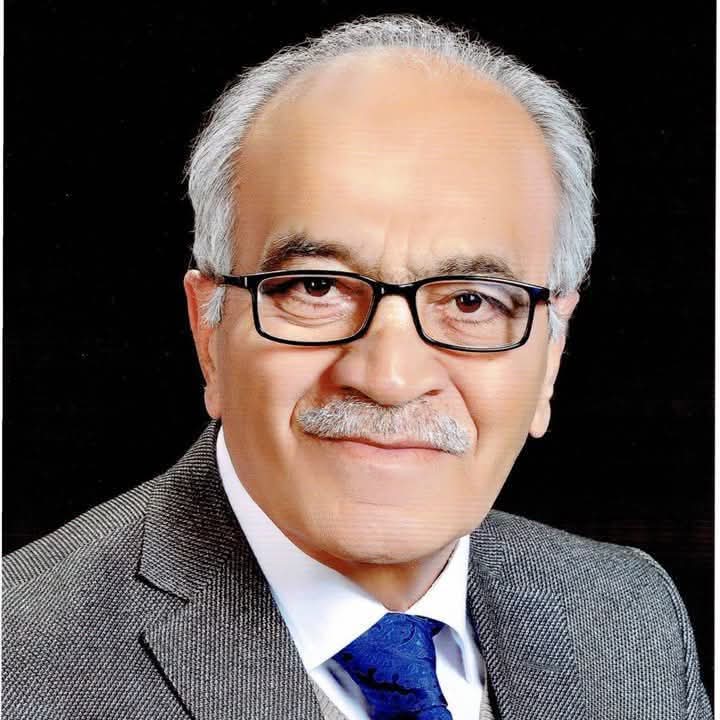
Müəllif:Aydın Kerkük İrak Türkmen Edebiyatçılar Birliği Başkanı
Zaur Ustaj – The “Book Man” of Azerbaijani Literature
Zaur Ustaj, whose real surname is Ustac, is widely recognized as one of the most distinctive voices in contemporary Azerbaijani literature. Known as the “Book Man” (“Kitab Adam”), he has carved a special place for himself not only as a poet and writer but also as a cultural figure who embodies the timeless bond between man and book. His nickname reflects both his personal devotion to reading and writing, as well as his literary mission to preserve and enrich the cultural memory of Azerbaijan.
From an early age, Zaur Ustaj showed a deep affection for books. Growing up in a society where oral traditions, poetry, and literary gatherings held great value, he developed a natural inclination toward words and storytelling. This early fascination with literature shaped his creative path, leading him to embrace writing as a lifelong journey. The symbolic title “Book Man” was not just a label given to him; it was the result of years of dedication, study, and an unshakable love for the written word.
As a poet, Zaur Ustaj’s works often reflect a delicate balance between tradition and modernity. His verses carry the emotional depth and lyrical richness characteristic of Azerbaijani poetry, while at the same time addressing contemporary themes such as identity, cultural heritage, and the challenges of modern society. His writing demonstrates a unique ability to draw inspiration from the past while speaking directly to the present.
Beyond poetry, Ustaj has also made valuable contributions as a writer and publicist. His essays and articles highlight important social, cultural, and literary issues, bringing intellectual reflection into public discourse. Through his work, he positions literature not merely as an artistic pursuit but also as a tool of enlightenment and national identity.
What makes Zaur Ustaj especially notable in Azerbaijani literature is his identity as the “Book Man.” In this role, he symbolizes the inseparable relationship between human life and literature. To him, books are not only objects of knowledge but also companions, guides, and even sources of spiritual resilience. His image as the “Book Man” goes beyond personal identity—it stands as a metaphor for the enduring role of literature in shaping minds and hearts.
In conclusion, Zaur Ustaj is more than a poet or writer; he is a cultural emblem of the Azerbaijani literary tradition. His journey as the “Book Man” reflects an unbreakable devotion to books, creativity, and the intellectual heritage of his nation. Through his words and ideas, he continues to inspire readers, reminding them of the timeless power of literature in a rapidly changing world.