Milli Kitabxanada “14 fevral – Beynəlxalq Kitab Bağışlama Günü” adlı virtual və ənənəvi kitab sərgiləri istifadəçilərə təqdim olunub
14 fevral 2026-cı il tarixində Milli Kitabxanada ənənəvi olaraq oxu mədəniyyətinin təşviqi, kitaba sevginin aşılanması və cəmiyyətdə paylaşma dəyərlərinin gücləndirilməsi məqsədilə “14 fevral – Beynəlxalq Kitab Bağışlama Günü” adlı virtual və ənənəvi kitab sərgiləri istifadəçilərə təqdim olunub.
Ənənəvi sərgidə oxu mədəniyyəti və kitabın cəmiyyətdəki rolu, söz, kitab, mütaliə, kitabxana və kitab nəşri haqqında müdrik fikirlər, şagirdlərdə mütaliə mədəniyyətinin formalaşdırılması, uşaqlar və gənclər üçün nəzərdə tutulmuş maarifləndirici kitablar, Azərbaycan və dünya ədəbiyyatının seçmə nümunələri və s. Azərbaycan və xarici dillərdə ədəbiyyatlar nümayiş olunur.
Virtual sərgidə fotolar Ulu Öndər Heydər Əliyevin söz, kitab, mütaliə, kitabxana və kitab nəşri haqqında müdrik fikirləri, hər il ənənəvi şəkildə Milli Kitabxanada “14 fevral – Beynəlxalq kitab bağışlama günü” ilə əlaqədar keçirilən tədbirlər haqqında materiallar, Kitab marafonu, Kitab və Oxu mədəniyyəti, Kitab çapı və s. haqqında ədəbiyyatlar, dövri mətbuat səhifələrində dərc olunan məqalələr tam mətnləri ilə nümayiş olunur.
Virtual sərgi ilə tanış olmaq istiyənlər https://anl.az/el/vsb/Beynelxalq_Kitab_Bagislama_Gunu/index.htm linkindən istifadə edə bilərlər. Beynəlxalq Kitab Bağışlama Günü hər il 14 fevral tarixində qeyd olunur və kitabı paylaşmaq, oxu mədəniyyətini yaymaq məqsədi daşıyır.
Bu gün dünyanın bir çox ölkələrində qeyd edilir. Bu təşəbbüs ilk dəfə 2012-ci ildə ABŞ-da tanınmış uşaq kitabı saytı – “Delightful Children’s Books”un yaradıcısı Emmi Brodmur tərəfindən irəli sürülüb və ötən müddətdə sosial şəbəkələr vasitəsilə dünyada geniş dəstək qazanıb. Bayramın əsas ideyası odur ki, kitab yalnız bilik mənbəyi deyil, həm də paylaşdıqca dəyəri artan mənəvi sərvətdir. Beynəlxalq Kitab Bağışlama Günü cəmiyyətdə oxumağa marağı gücləndirir, kitabxanaların zənginləşdirilməsinə və maarifləndirici mühitin formalaşmasına töhfə verir.
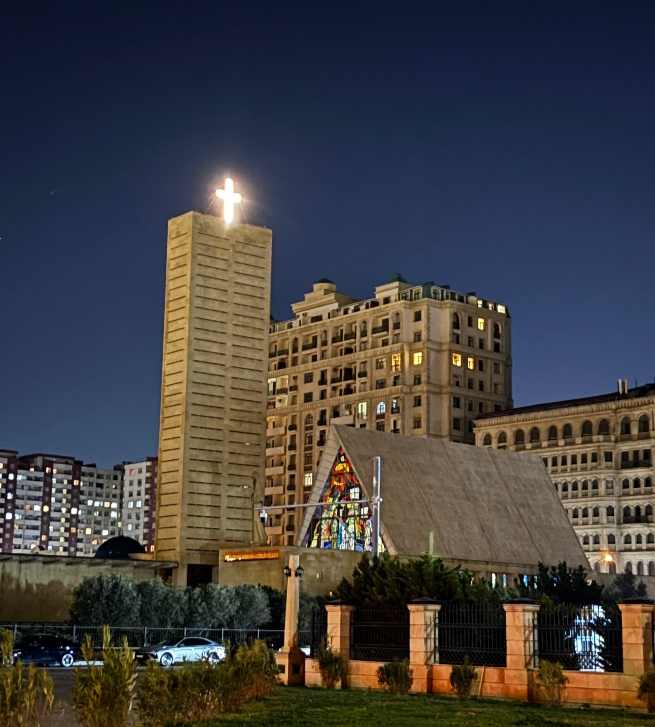
14 fevral 2026-cı il, Azərbaycanın paytaxtı, Bakı şəhəri. Sübh tezdən “Alov Qüllələri”nin yanından Əyləşdim “10 nomrə”yə… Sağımda dünya carçısı; “Teleqüllə”, Solumda “Alov Qüllələri”… Aşağı düşdükcə, Sağımda; “Şəhidlər xiyabanı”, Məscid, funikulyor, Qəhrəman Ziya Bünyadovun evi, “Teleteatr”…. Sonra qnbərlik; Daşlı, kələ-kötür yol… “Yolki-palki” kafesi, Şeyx Şamil küçəsi, “Azneft meydanı”, Yenə sağımda Mavi Xəzər, Solumda “İlin dörd fəsli”… Yenə solumda qalır “Qız Qalası’… Qoynunda illərin yarası; Müqəddəs Həvari Varoflomey kilsəsi, Uzaqda; Pervimayski və Karqanov küçələrinin kəsişməsində yəhudilərin sinaqoqu, Düz yanında Kərbəlayi Abdullah məscidi, Bir az sonra Dağ Yəhudilərin sinaqoqu ayrıca… Bunlar düşüncəmdə avtobus burulur şəhərin mərkəzinə – ayrılıram “Neftyannik”dən, “Mavi gözlüm” qalır arxada… “Dinamo” və “APİ” qalır sağımda, “Dzerjiniski”, “26-lar”, Milli Kitabxana düşür soluma… Rəşid Behbudovun mahnı teatrı qalır sağımda… Solda Nizami küçəsinin ən qaynar yerində – Bakının düz mərkəzində – Müqəddəs Qriqori Kilsəsi…. sağımda – 28 may küçəsində (keçmiş Telefonnaya) yerləşən lüteran kilsəsi dayanıb əsl “Xilaskar” kimi… 28 may küçəsini sürətlə keçib, Mirzə Ağa Əliyevdən dönürük sağa, Konservatoriyanın qarşısında Üzeyir bəy, Milli Bankla üzbəüz Ulu Öndər qalırlar, Solda arxada… 28 may metrosunun qarşısında azca dayanır avtobus… Sağımda qalır “AZİ”, solumda “Vağzal”… Minən minir, düşən düşür… Davam edirik yolumuza… Puşkin küçəsindən dönürük sağa; Solumda qalır dahi Səməd Vurğun, Sağımda “Bakı mehmanxası”nın yeri.. Yeri, “10 nömrə”! Yeri! Sanki sürücü eşidib səsimi Artır sürəti… Yenidən çıxırıq “Neftyannik”ə… Puşkin qalır solumda, “Domsovet” sağımda… “Morvağzal”a çatıb dönürük sola, Mavi Xəzər qalır sağımda… Uzaqda, dənizin qoynunda yuyunur Günəş! Mavi Xəzərimin mavi gözü qan canağına dönüb! Zəfər parkına çatıb sola dönürük, Zəfər tağı qalır sağımda, arxada… Düz gedirik, düz… Qaqarin körpüsünün yerindən – Afiyəddin Cəlilov küçəsindən keçirik… “Raddom” qalır sağda, Neftçilər xəstəxanası solumda… Şah babam Xətai qalır solumda, Ədalət məhkəməsi sağımda… Xocalı xiyabanı ilə düz gedirik, düz… Solumda Xətai metrosu, Sağımda kimyaçılar məbədi; Mendeleyev, Məmmədəliyev – oxşarlıq var… Düz gedirik, düz… Solda arxada; Körpəsini Tanrıya pay verən, Fəryad edən qadın heykəli qalır… Yenə üzü Xəzərə gedirik… Al qırmızı Günəş üfüqdə qızarır… Gecənin bağrı sökülür… Al qırmızı şəfəqin qolları uzanıb gecənin qoynuna, Səma qəribə rəngə çalır -mavi ilə qırmızının qarışığı… Səmanı daha yaxından görmək istəyirəm: -Saxla, saxla – deyirəm sürücüyə… Dayanacağı bəhanə edib, saxlamaq istəmir… Qapıya yaxınlaşıb əlimi ağzıma aparıram, Öyümək imitasiya edirəm… Tez saxlayır sürücü avtobusu. Həmən minirəm “11 nömrə”yə… Üzü dənizə addımlayır ruhum… Səma tərtəmiz, hava azca ayaz… Sübhün mehi dənizdən vurur üzümə. Solda qarşımda, lap yaxında, Parlaq bir ulduz sataşır gözümə… Üzü dənizə gedib, çatıram düz yanına. Qəribə binadır; bir sütun millənib göyə… Lap ucda ulduz kimi parlayır “həyat simvolu”… Günəşin rəngindən rəng qatıb rənginə; Nə qırmızı, nə çəhrayı, nə narıncı… Çox qəribədir rəngi, Lap dünyanın özü kimi… Gedirəm üzü dənizə, Yolumun üstündə qoca qadın oturub, Olar, səksən yaşı, Nimdaşdır üst-başı… Qarşısında 3-4 sarı limon, 5-6 dəstə cəfəri… -bu nə binadır, ay xanım? – soruşuram qarıdan. Sübhün alaqaranlığında eyni açılır qadının… -xanım mən deyiləm, bax, odur! – ay saqqalı ağarmış – mənim də eynim açılır… -Müqəddəs Bakirə Məryəmin Məsum Hamiləliyi Kilsəsidir… – başına dönüm… 14 fevral 2026. Bakı. (06:41) Müəllif: Zaur USTAC
Sərhədsiz səhifələr Fevralın bu soyuq günündə pəncərələri döyən külək sanki bizə unudulmuş bir həqiqəti pıçıldayır. Bu gün həm də kitabların o kağızdan qanadları olan xəyal gəmilərinin bir sahildən digərinə köçdüyü gündür. Beynəlxalq Kitab Bağışlama günü, əslində, bir insanın öz daxili dünyasının qapılarını başqasının üzünə taybatay açmasıdır. Çünki birinə kitab vermək, ona sadəcə kağız topası yox, həm də öz keçmişini, altını cızdığın o tənha sətirləri və ruhunu titrədən o gizli sirləri əmanət etməkdir. Təsəvvür edin ki, illərdir rəfinizdə sükutla gözləyən, vərəqləri bir az saralmış, kənarları bəlkə də bir az bükülmüş o köhnə kitab yenidən canlanır. Siz onu rəfdən götürüb bir dostunuza, bir tanışınıza, hətta bəlkə də heç tanımadığınız bir uşağa uzatdığınız an, o kitabın taleyi yenidən yazılır. Sizin bitirdiyiniz yerdə başqasının hekayəsi başlayır. Tozlu səhifələr yeni bir gözün nuruyla işıqlanır, yeni bir ürəyin döyüntüsünə qovuşur. Kitablar paylaşıldıqca çoxalan, hədiyyə edildikcə sahibini zənginləşdirən yeganə xəzinədir. Kitab bağışlamaq bir insana özünü dəyrli hiss etdirməyin ən nəzakətli yoludur. Bəlkə də bağışladığınız o kiçik hekayə kiminsə ən qaranlıq gecəsində bir mayak tək parlayacaq, bəlkə də həyatın yollarında büdrəyən bir gəncə yol göstərən qütb ulduzu olacaq. Bir kitabı bir parkın oturacağında, bir kafenin küncündə və ya avtobus dayanacağında “sahibini gözləyən sürpriz” kimi qoyub getmək, dünyanın ən gözəl gizli dostluğuna imza atmaqdır. Taleyin o kitabı kimin qarşısına çıxaracağını bilməsəniz də, bir insanın dünyasını dəyişmək ehtimalının həyəcanı bütün soyuğu isitməyə yetir. Gəlin bu gün rəflərimizdəki sükutu pozaq. Qoy kitablar öz rəflərindən azad olub şəhərin küçələrinə, insanların qəlbinə süzülsün. Bir uşağın ilk dəfə nağıllar aləminə addım atmasına, bir qocanın köhnə xatirələrini vərəqləməsinə vəsilə olaq. Çünki bağışlanan hər bir kitab, bir insanın ruhunda açılan yeni bir pəncərədir və o pəncərədən görünən dünya həmişə daha gözəl, daha mənalı olur. Bu gün qəlbimizdən keçən bir hekayəni başqasının həyatına qataq və unudulmaz bir izin başlanğıcını qoyaq.
Tanınmış şair, yazıçı, publisist, tərcüməçi, naşir Aysel Nəsirzadənin yeni şeirlər kitabı işıq üzü görüb. “Kritika” nəşriyyatında “Poeziya seriyası – 1” silsiləsindən nəfis şəkildə çap olunmuş kitab “Gerisi nağıl” adlanır. Arıq kitabın içindəkilər barədə müəyyən fikir oyadan adı uğurlu seçim kimi dəyərləndirmək olar. Aysel xanım yeni kitabı haqqında öz təəssüratlarını bölüşüb:
“Əziz dostlar, Sevinclə bölüşmək istəyirəm ki, “Gerisi nağıl” adlı şeirlər kitabım artıq çapdan çıxıb. Kitab Kritika nəşriyyatında işıq üzü görüb və bu, nəşriyyatın poeziya seriyasında ilk kitabdır. Bu mənim üçün həm qürurverici, həm də çox həyəcanlı bir başlanğıcdır. “Gerisi nağıl” – içimdən keçənlərin, susub danışan duyğuların, xatirələrin və ümidlərin misralara çevrilmiş halıdır. Hər şeir bir az yol, bir az yaddaş, bir az da ürək söhbətidir. İnanıram ki, bu kitabın səhifələrində hər kəs özündən bir parça tapacaq. Kitabın redaktoru Gündüz Sevindik, korrektoru Yeganə Əhmədovadır. Ön sözün müəllifi isə dəyərli xalq şairi Sabir Rüstəmxanlıdır. Hər birinə ayrı ayrılıqda təşəkkürümü bildirirəm.
Çəkdikləri zəhmətə, göstərdikləri diqqətə və bu məsuliyyətli işə ürəklə yanaşdıqlarına görə kitabımın naşiri Zaur Həsənzadə və dəyərli Sayalı xanıma səmimi təşəkkürümü bildirirəm. Bu kitabın ərsəyə gəlməsində onların əməyi və dəstəyi xüsusi yer tutur.
Kitabı artıq aşağıdakı mağazalardan əldə edə bilərsiniz: Libraff mağazalar şəbəkəsi Kitabevim.az Qlobus 28 may filialı Milli book cafe 28 may filialı Çinar kitab evi Akadem kitab – Elmlər Akademiyası Ali Nino mağazalar şəbəkəsi Sinkod kiyab evi Kitabyurdu kitab evi Kitabıstan Kitabevin book cafe – Xırdalan Məktəbli kitab evi – Qəbələ
Oxuyan, paylaşan, dəstək olan hər kəsə əvvəlcədən təşəkkür edirəm. Sözün yolçuluğunda sizin varlığınız ən böyük gücdür.”
Yazarlar.az olaraq, biz də öz növbəmizdə Aysel Nəsirzadəi təbrik edir, qarşıdakı bütün həyat və fəaliyyətində yeni-yeni nailiyyətlər arzulayırıq.!
The Awakened Heart of Uzbek Spirituality: Ozod Sharafiddinov
When we talk about independent-minded intellectuals of Uzbekistan, Ozod Sharafiddinov undoubtedly stands at the forefront. He was a devoted servant of literature, a guardian of truth, and a great mentor for the younger generation. His life and work are a vivid testament to a life devoted to enlightenment. There was never fear in Sharafiddinov’s pen. He understood the dignity of words and the cost of speaking the truth. During the dark years of the Soviet era, when many remained silent, he fought for the free spirit of literature. His words, “A person must think; if thought stops, society stops,” remain powerful and relevant even today. His journalistic articles boldly expressed the truths that society was afraid to speak at the time. For this reason, Sharafiddinov was not only a literary scholar but also the awakened conscience of society. Anyone who listened to him even once could immediately sense the immense energy within him. Sharafiddinov did not conduct lessons merely as lessons — he conducted exercises in spiritual awakening. Naturally serious, his speech was thought-provoking, reflective, and resonant, making listeners ponder every question he posed. Students often referred to him as a “person who awakens thought.” He encouraged them not just to read books, but to understand them, draw conclusions, and, most importantly, strive for personal development as human beings. Sharafiddinov’s translations were far more than mere text conversions. He brought Hemingway’s spirit to life in Uzbek, introduced Camus to Uzbek readers, and brought Roland’s characters into the national literary space. For him, the true purpose of translation was not merely to convey the words of the author but to transmit the author’s very spirit — this was his art. Each of his translations proved that literature has the power to unify nations and connect people. In this sense, Sharafiddinov acted as a bridge linking Uzbek readers with the world. He often said, “A person who reads books cannot be controlled.” That is why he considered fostering a love of books in young people to be one of the most important missions of his life. Today, many young individuals who think independently and draw nourishment from literature owe part of their development to Sharafiddinov’s influence. His journalistic legacy is more than just a collection of texts; it is a tremendous service to the nation’s intellect and the beginning of spiritual awakening. Times have changed, and the world has become digital. Yet the lines written by Sharafiddinov remain central to society even today. His concerns were the concerns of the people, his goal was the enlightenment of the nation, and his words were truth itself. Sharafiddinov’s journalism compels the reader to reflect: “Are we truly thinking, or have we been lost in the flow of information?” If today’s youth pause, study, and think critically, that is Sharafiddinov’s victory. Ozod Sharafiddinov was a great figure who carried the banner of honesty for Uzbek spirituality. His life was a struggle of the soul, devoted to truth and service to enlightenment. He taught us one essential lesson: Literature is a mirror of life, and thought is humanity’s greatest treasure. It is our responsibility to preserve and cherish this treasure.
Zaur Ustac is a well-known contemporary Azerbaijani poet, writer, and publicist whose works have gained recognition both in his homeland and abroad. He is often called a “man of books” because of his deep devotion to literature, culture, and the art of the written word. His creative activity reflects a strong sense of patriotism, love, and philosophical reflection on human life.
From an early age, Zaur Ustac showed interest in literature, history, and national traditions. Over time, this passion grew into a lifelong mission to preserve and promote Azerbaijani cultural values. He has written poems, essays, stories, and research articles that highlight not only the beauty of the Azerbaijani language but also the importance of moral and spiritual heritage.
One of the remarkable qualities of Zaur Ustac’s work is its accessibility. His poems and writings are close to the hearts of ordinary readers, yet they also carry profound philosophical meaning. Through his artistic style, he manages to balance simplicity with depth, turning everyday experiences into reflections on love, patriotism, friendship, and human destiny.
In addition to being a poet, Zaur Ustac is also an active cultural figure. He has organized literary projects, supported young writers, and contributed to the development of literary journalism. His role in enriching the modern Azerbaijani literary scene makes him a respected figure among intellectuals and readers alike.
Zaur Ustac’s legacy continues to grow, not only in Azerbaijan but internationally as well. His works have been translated into different languages, allowing the voice of Azerbaijani literature to be heard around the world. By combining tradition with modern thought, he has secured his place as one of the leading literary figures of his time.
In conclusion, Zaur Ustac is more than just a poet or writer; he is a cultural ambassador who represents the spirit of Azerbaijani literature and identity. His creativity, dedication, and love for his homeland make him an inspiring figure for future generations.
Name: Doniyor Gulomjonov Place of residence: Namangan District Education: Graduate of Namangan District Specialized School Date of birth: August 5, 2007 Positions and Memberships: Leader of the Namangan Region branch of the Uzbekistan Children’s Organization Member of the Active Group of the Youth Parliament under the Senate of the Oliy Majlis Assistant to the Head of Department at the Namangan Regional Directorate of the Youth Affairs Agency Representative of the Qoshqa’not International Union of Writers and Creators in Uzbekistan Achievements: Participant and awardee of numerous international and national competitions, olympiads, forums, and conferences
“Joy” – a feeling of the heart “Joy” is an intangible thing embraced with hands, seen with eyes. Happiness is merely a feeling that can be sensed with one’s heart. Each person’s aspirations include being happy. Each person discovers happiness within themselves and envisions it in their own way. This intangible thing can arise for people who lack some things. For a family that fights a lot at home, happiness is peace. For a childless couple for a long time, happiness is a baby. For those who cannot see the bright world or work with their legs and hands, happiness is a healthy body, loves to read books, but cannot afford to buy books. For those who beg for money, happiness is a lie. It is possible to see happiness in these things. Do we have something missing in ourselves? We are lucky if we have “life” to feel happiness. Living here in this world, feeling the heart, thinking about ideas – it’s a good chance for us, after all. May happiness always be in life, May your life be the highest throne. May your face be filled with joy and peace, May your sweet feelings be happiness! Everyone has a good thought about “happiness.” Our authors and poets have defined happiness according to their abilities. The author Jan Jak Russo in his philosophical treatise “The Happiness of the People” brings these sentences to light: “If it exists in the world, is that person happy? Does anyone know that? Happiness is not just peace, nor is it an ever-changing spiritual state, but rather a person’s unique and lasting emotions and spiritual experiences that are not clearly known. It is possible for a person who has passed through this thing from the beginning. So no one gives a specific opinion about the happiness of strangers. This is a completely different matter when it comes to political societies. Their happiness and sorrow are visible, their internal feelings also have social characteristics. Certainly, this is where the wise people have a say and say, “You know how people who can understand what they see are looking like.” They say something about their moral-ethical nature. Baxtiyor Haydarov in his essay “What is happiness itself” defines the term as “What is happiness? Why do people envy the happiness of others? Who can be happy?” Is there a clear reason and condition for happiness for everyone? There are various explanations and definitions about happiness. Everyone measures and defines it according to their situation. But everyone cannot tell a complete story. Because everyone considers their answer to be “the most correct”. Happiness is an emotion that every person feels individually. There is happiness, but there is no description. Really, in the world, how many people, so many definitions of happiness. Everyone has their own vision of happiness. In the world, the happiness of two people should not be the same.” “We must search for the feeling called ‘happiness’ in everything. Early in the morning, after awakening from a sweet sleep and taking a clean breath from the fresh air, savoring the warmth of the bread baked from the tandir, cleaning our yard, washing the water, hearing the cooing of the birds is a feeling of happiness.” “Not everyone who calls himself “happy” is necessarily lucky. “Happy” to those who do not tell the world in the story that everyone is unlucky. Happiness is something that can be felt in the feelings of those who seek it.” I consider myself fortunate, and not just because I live without problems, but also because I extend a helping hand to those around me, my loved ones. Sometimes, happiness isn’t just about gaining for oneself but also about giving. For instance, you can give a single flower as a gift to your closest person or present something that they have been unable to get for a long time to a friend. Moreover, you can make others happy with happiness, in different ways. Happiness cannot be eliminated only with money. “Being happy does not mean you have to be selfish” (Yuy Xua.”Laughing”). Helping a person who cannot bear the weight of a bag on the shoulder of a beautiful smile, asking someone for debt, is humanity itself. Actually, who are happy people? They are such people who do not despair of someone, do not insult someone, do not walk in the right way, do not fall prey to someone’s instigation. If there are virtues in us, if there is no malice, if our heart is broken, we are truly happy people. Because luck is a feeling of the heart. In summary, every person in the world deserves to live happily. Just feel that feeling with a pure heart, even if you are alone, you should be able to say “I am happy”. Remember one thing, just reading this article now is also happiness. If you ask yourself questions like “am I lucky?” or “what should I do to be happy?”, “do I understand what luck is?” through this article, we are happy in the future. My close to my heart, you are lucky or you are now lucky. Just start the movement from now on. The main purpose of the big god called “person” is to find happiness. Coming day, tell me exactly that you read this article, I feel happy. For some reason, join in to be happy. No matter how far away we are, we are under the same sky.